




Let’s be honest. The scooter you bought off the showroom floor is a blank canvas. It’s reliable, sure. It gets you from A to B. But it doesn’t say anything about you. That’s where the world of custom-built scooters comes roaring in—a vibrant, grease-stained, and endlessly creative universe where riders turn mass-produced machines into rolling self-portraits.
It’s more than just a hobby; it’s a form of expression. And right now, the trends in personalization and aftermarket modifications are shifting faster than a twist-and-go throttle. Let’s dive into what’s driving this scene.
Beyond the Sticker: The Philosophy of the Custom Scooter
You know, customizing isn’t just about slapping on a flashy exhaust. It’s a philosophy. It starts with a question: “What do I want this machine to be?” For some, it’s raw performance—every mod is about shaving off a tenth of a second. For others, it’s about creating a show-stopping piece of art that turns heads at every cafe. And for many, it’s simply about ergonomics and comfort, crafting a ride that fits their body and life like a glove.
This mindset shift is key. Riders aren’t just consumers anymore; they’re builders, curators, and engineers. The scooter becomes a lifelong project, evolving with your skills and tastes.
Current Trends Shaping the Custom Scooter Scene
1. The “Resto-Mod” Revival
This is huge. It’s all about taking a classic vintage scooter—think Vespa PX, Lambretta, or even a vintage Honda Elite—and lovingly restoring its soul while secretly implanting a modern heart. We’re talking about keeping the iconic, timeless bodywork but upgrading the brakes, suspension, and, most critically, the engine. A modern fuel-injected swap or a big-bore kit makes these classics not just beautiful, but actually usable in modern traffic.
2. Performance, But Smarter
Gone are the days of just chasing top speed. The trend now is usable performance. Riders want better acceleration out of a corner, more confident stopping power, and suspension that handles a pothole like it’s nothing. It’s a holistic approach.
- Suspension Upgrades: Adjustable rear shocks and fork internals are hot commodities. They transform the ride quality completely.
- Braking Systems: Swapping to larger discs, braided steel lines, and higher-performance pads is one of the single best safety and performance mods you can do.
- Engine Tuning & ECU Remapping: Especially for modern scooters, a professional ECU remap can unlock smoother throttle response and better fuel efficiency, not just more power.
3. Aesthetic Personalization: From Subtle to Wild
This is where personality truly shines. Paint and wraps are just the start. The trend is towards cohesive themes. A cafe racer style with low bars and a hump seat. A rugged, off-road “adventure scooter” with knobby tires and a bash plate. Or a clean, monochromatic “murdered-out” look.
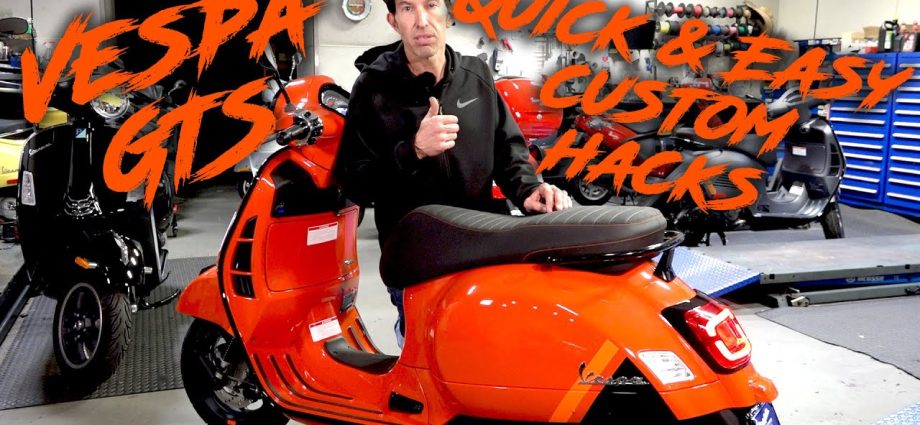
Custom seat upholstery is massive—it’s the part you’re in constant contact with. And then there’s lighting: integrated LED turn signals, custom accent strips, and modern headlight conversions that improve both look and visibility.
4. The Tech & Convenience Boom
Our lives are wired, and our scooters are catching up. Aftermarket digital dashes with GPS, Bluetooth connectivity, and diagnostic readouts are gaining traction. Keyless ignition systems, modern alarm systems, and clever phone mounts with built-in USB-C charging aren’t just gadgets; they’re legitimate custom upgrades that enhance daily usability.
Navigating the Aftermarket: A Quick Guide
The world of aftermarket parts can feel like a maze. Here’s a simple breakdown of the main avenues, honestly.
| Source Type | What You Get | Best For… |
| Bolt-On Brands | Mass-produced, model-specific parts. Good quality control, clear instructions. | Beginners, reliability-focused mods (e.g., windscreens, racks, basic exhausts). |
| Custom Fabricators | Handmade, one-off or small-batch parts. Unique solutions. | Unique aesthetic pieces, solving specific fitment issues, high-end builds. |
| OEM+ Upgrades | Using higher-spec parts from other models in the brand’s lineup. | Clean, factory-looking upgrades that often fit perfectly. |
| The Secondhand Market | Used parts, rare finds, discontinued items. Hit or miss. | Budget builders, vintage restorations, hunting for treasures. |
The Human Element: Community & The DIY Spirit
Here’s the thing they don’t tell you in the parts catalog: the best custom scooter mod isn’t a part at all. It’s the knowledge. Online forums, YouTube tutorials, and local scooter clubs are the real engine of this culture. The trend is towards sharing—build threads, wiring diagrams, and hard-won lessons on what not to do.
The satisfaction of installing a part yourself, of solving a mechanical puzzle, is a huge part of the appeal. That first ride after a successful modification… it just feels different. You’re connected to the machine in a way a checkbook can’t buy.
A Few Words of Caution (The Real Talk)
It’s not all shiny chrome and Instagram glory. Jumping in without a plan is a fast track to a pile of expensive parts and a scooter that doesn’t run. Always, always consider how one mod affects another. Bigger engine? You’ll need better brakes. Radical suspension change? It might handle weird. And for the love of all that’s holy, check your local regulations—especially regarding lighting, noise, and emissions—before you go too far down the rabbit hole.
Start small. Maybe with a new grip or a phone mount. Get a feel for the work. The journey of a thousand miles, as they say, begins with a single, well, bolt.
The Road Ahead
So where does this all lead? The future of custom-built scooters looks like a blend of old-school craftsmanship and new-school tech. We’re seeing more sustainable practices, like upcycling parts. 3D printing is opening doors for hyper-custom components. The line between a scooter and a personalized mobility device is blurring.
In the end, the trend that never goes out of style is individuality. Your scooter is a story on two wheels. Whether it’s a subtle tweak or a ground-up transformation, each modification adds a sentence, a chapter. The story isn’t about perfection; it’s about progress, personality, and the simple, profound joy of making something yours. The road is your canvas. What’s your next stroke going to be?