



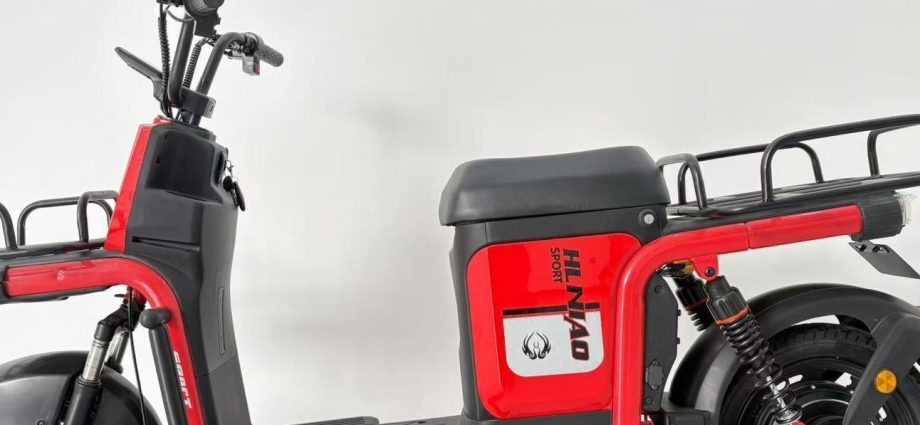
Picture this: a hot meal, still steaming. A crucial document, signed and sealed. A custom bouquet, fresh and fragrant. All of them need to get from a small shop to a customer’s door—fast. For decades, the options were limited, expensive, or just plain slow. Enter the humble scooter. It’s not just for zipping to the café anymore. It’s becoming the backbone of last-mile delivery for small businesses, and honestly, it’s a game-changer.
Let’s dive in. The “last mile” is that final, tricky leg of a delivery journey. It’s the most expensive, most inefficient, and most customer-facing part. For a small bakery or a local pharmacy, tackling this with a car or van is often overkill. The costs eat into slim margins. Scooters, however—both electric and gas—slide into this niche perfectly. They’re agile, affordable, and surprisingly powerful allies in the urban logistics race.
Why Scooters Just Make Sense for Small Operations
Here’s the deal. When you’re running a small business, every decision has a ripple effect. Choosing your delivery method is a huge one. Scooters offer a compelling list of advantages that larger vehicles simply can’t match.
Cost Efficiency: The Bottom Line Booster
This is the big one. The initial investment is a fraction of a car or van. Insurance, maintenance, and fuel (or electricity) costs are dramatically lower. You know how it is—saving on overhead means you can invest more in your product, your people, or your marketing. It turns delivery from a cost center into a manageable, even strategic, operation.
Agility and Speed: Beating the Clock (and Traffic)
In crowded city streets, a scooter’s small footprint is a superpower. Lane filtering, finding parking right outside the door, taking shortcuts—these aren’t just conveniences; they’re reliability guarantees. A scooter-based last-mile delivery solution often means faster delivery times. And faster deliveries mean happier customers and more repeat orders. It’s that simple.
Environmental Footprint: A Greener Promise
Especially with the rise of e-scooters, the environmental benefit is a strong selling point. Many customers actively prefer to support businesses with sustainable practices. Offering low-emission or zero-emission delivery isn’t just good PR; it’s aligning with a real market trend. It’s a quiet statement that your business cares about its community, literally and figuratively.
Navigating the Real-World Challenges
Sure, it’s not all smooth riding. There are hurdles. Weather can be a factor, though with proper gear and containers, it’s manageable. Cargo space is limited—you’re not delivering refrigerators. But for the vast majority of small business products—food, prescriptions, small retail goods, documents—it’s more than enough.
The key is smart logistics. Which brings us to…
Optimizing Your Scooter Delivery Setup
To make this work, you need the right gear and the right plan. Think of your scooter as a mobile mini-warehouse.
Essential Gear for the Professional Courier
- Top-Tier Storage: Invest in a large, lockable top box and sturdy panniers. Waterproof is non-negotiable.
- Climate Control: For food or florals, insulated delivery bags are a must. Think of them as a portable, tiny climate zone.
- Tech Integration: A phone mount for navigation and a way to keep devices charged. Your scooter’s efficiency is multiplied by real-time routing apps.
Operational Best Practices
| Focus Area | Actionable Tip |
| Route Planning | Batch deliveries by zone. Use apps to plot the most efficient sequence, not just the closest stop. |
| Safety & Professionalism | Uniforms or branded gear build trust. Regular scooter maintenance is a safety and reliability issue. |
| Customer Communication | Send real-time GPS-based ETAs. A quick “I’m 2 minutes away” text dramatically improves the experience. |
And don’t forget the human element. Your delivery rider is the face of your business. Their courtesy and care can turn a one-time buyer into a loyal advocate.
The Bigger Picture: Scooters in the E-commerce Ecosystem
This shift isn’t happening in a vacuum. It’s part of a larger move toward hyper-local, on-demand everything. Small businesses are using scooters to compete with giant platforms on their own turf: speed and personal touch. While a mega-corporation’s algorithm dispatches a driver from a distant warehouse, your local bookshop can have a person on a scooter at the customer’s door in 20 minutes. That’s a powerful competitive edge.
In fact, we’re seeing the rise of scooter delivery services for local shops as a new micro-industry. Some businesses hire dedicated riders, others partner with third-party fleets that specialize in two-wheel logistics. The model is flexible, scaling up or down with demand.
Final Thought: The Road Ahead
The role of scooters in last-mile delivery feels… inevitable. It’s a pragmatic, clever response to the pressures of modern urban retail. They bridge the gap between the digital immediacy of an online order and the physical reality of a city block.
For the small business owner, it’s more than a logistics hack. It’s a tool for reclaiming autonomy. It reduces dependency on expensive, inflexible systems and puts the control—and the customer relationship—back in your hands. The hum of that scooter engine isn’t just noise; it’s the sound of a business adapting, thriving, and connecting directly with its community, one quick, nimble trip at a time.