





So, you’ve got the itch. The map is dotted with places no highway will ever go, and your vehicle is, well, a little too…civilian. That’s the dream, right? But here’s the deal: transforming your rig from a pavement princess into a backcountry conqueror isn’t about throwing the most expensive parts at it. It’s a philosophy. A careful, sometimes messy, marriage of preparation and smart gear selection.
Let’s dive in. This isn’t just a parts list—it’s a mindset guide. We’ll walk through the foundational prep, then get into the nitty-gritty of part selection, all while trying to keep our wallets from crying too much.
The Foundation: Preparation Before Modification
Honestly, this is the part everyone wants to skip. We get it—shiny new bumpers are more exciting than a maintenance log. But trust us, a perfectly built truck that leaves you stranded because of a neglected $20 sensor is a special kind of heartbreak. Start here.
Know Thy Vehicle (And Its Limits)
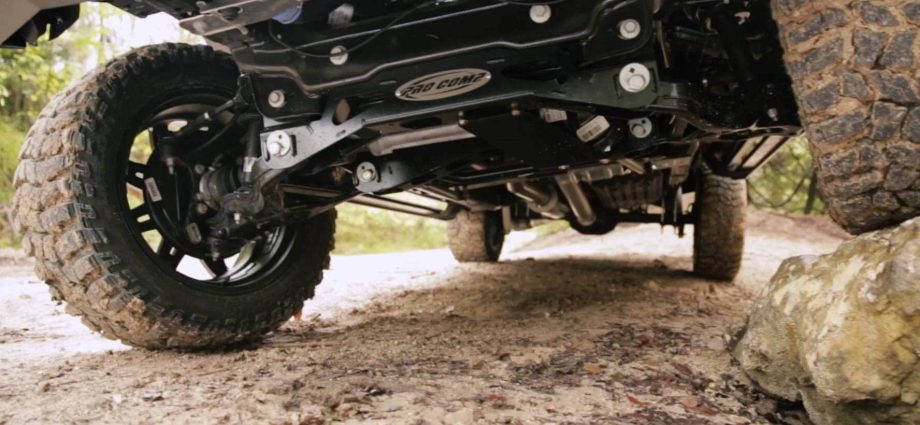
Before you lift it, armor it, or strap a rooftop tent to it, you need a baseline. What’s your vehicle’s factory approach angle? Its payload capacity? Crawl underneath. Look for weak points—low-hanging differentials, plastic fuel tank skid plates, that sort of thing. This isn’t about finding flaws; it’s about understanding the canvas you’re about to paint on.
The Boring (But Critical) Health Check
Think of it as a physical for your rig. Replace all fluids—engine oil, differentials, transfer case, transmission, coolant. Inspect belts, hoses, and every single bushing. Check the battery’s age and health. A new alternator might be a smarter first “mod” than a light bar if yours is on its last legs. Seriously.
And tires. Worn all-seasons are your biggest liability off-road. We’ll talk upgrades later, but if yours are bald, that’s your absolute first purchase. No debate.
The Off-Road Part Selection Hierarchy: What to Buy and When
Okay, with a healthy vehicle, we can start building. But where to start? It’s easy to get overwhelmed. Follow this general progression—it solves problems in the order you’ll likely encounter them.
1. Tires and Wheels: Your Connection to the Earth
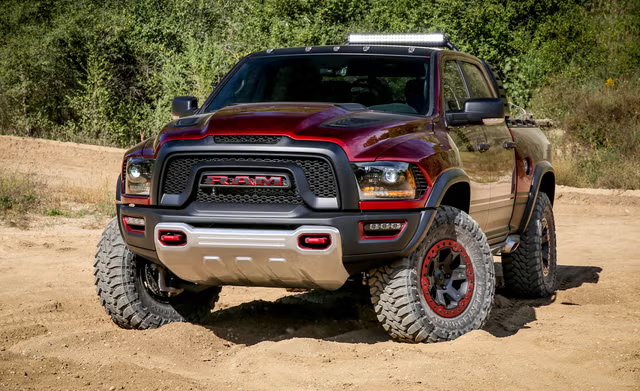
This is the single biggest upgrade for off-road capability. Period. It’s not even close. A stock 4×4 on good all-terrain or mud-terrain tires will outperform a lifted truck on street rubber every time. You’re looking for sidewall strength, tread pattern, and size. Don’t just go for the biggest size that fits; consider gearing, fuel economy, and where you’ll actually drive. A hybrid all-terrain is a fantastic starting point for most overlanders—tough enough for the trail, quiet enough for the 10-hour highway slog to get there.
2. Recovery Gear: Your “Get Out of Jail Free” Card
Before any lift kit, buy recovery gear. This is non-negotiable. It’s insurance. A basic kit includes a kinetic recovery rope (not a tow strap!), a static tree strap, two soft shackles, a hard shackle or two, a tire deflator, a quality air compressor, and a shovel. A good jack—like a safe, stable bottle jack or a dedicated off-road jack—is crucial. And you know what? Practice using this stuff in a safe, easy spot before you need it in a panic.
3. Protection: Skid Plates, Sliders, and Bumpers
Now we armor up. Think of it like putting on a helmet before a bike ride. Start from the bottom:
- Skid Plates: Protect your engine oil pan, transmission, and fuel tank. This is often the first “armor” you’ll need, especially if you’ve identified those low-hanging factory parts.
- Rock Sliders: These aren’t just fancy steps. They protect your vehicle’s rocker panels and door sills—a critical and expensive part of the frame to damage. Get ones that bolt or weld directly to the frame.
- Bumpers: Approach and departure angles matter. A well-designed front bumper improves your approach angle and offers a solid mount for a winch. Rear bumpers do the same for your departure. But they’re heavy—remember that payload capacity!
4. The Winch: Ultimate Self-Reliance
The winch is the pinnacle of self-recovery. It’s that friend who’s always got your back. Synthetic rope is lighter and safer than steel cable. Get a winch with a rated pull capacity of about 1.5 times your vehicle’s gross weight. And for heaven’s sake, learn proper winch techniques and safety. It’s a powerful tool, not a magic button.
5. Suspension and Lift: For Clearance and Control
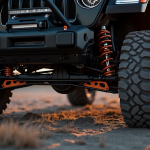
Notice this comes after protection? That’s because a lift alone doesn’t make you more capable—it just allows for bigger tires and improves breakover angle. A quality suspension lift (not just spacer blocks) will improve ride quality and control off-road. It’s about managing weight, too. If you’re adding hundreds of pounds of gear, you’ll need springs and shocks rated for that. Don’t cheap out here; your back and your vehicle’s handling will thank you.
The Overlanding Layer: Living Out of Your Vehicle
Overlanding is off-roading’s more organized, long-distance cousin. It’s about the journey and living on the road. Your part selection shifts slightly.
Power Management: You’ll need a dual-battery system or a portable power station to run fridges, lights, and devices without killing your starting battery. Solar panels are becoming a must-have for long-term camps.
Storage and Organization: This is a huge pain point. Drawer systems, molle panels, and secure fridge slides turn chaos into order. Weight distribution is key—keep heavy items low and centered.
Sleeping Solutions: Rooftop tent, ground tent, or sleeping platform inside? Each has trade-offs. RTTs are quick to deploy and keep you off the ground, but they raise your center of gravity and kill fuel economy. It’s a personal choice, really.
A Quick-Reference Table: Part Selection at a Glance
| Category | Priority | Key Consideration | Budget Mindset |
| Tires | Highest | Terrain type, load rating, size vs. gearing | Don’t skimp. This is safety & capability. |
| Recovery Gear | Highest | Quality materials, knowing how to use it | Buy once, cry once. Avoid cheap hardware. |
| Skid Plates | High | Coverage material (steel vs. aluminum) | Match to your trail difficulty. |
| Suspension | Medium-High | Spring rate for your added weight | A mid-tier kit often beats a cheap “top” brand. |
| Winch | Medium | Line type (synthetic), capacity, duty cycle | A reliable mid-range is better than a flashy unknown. |
| Lighting | Medium-Low | Beam pattern (spot vs. flood), legal compliance | Good LEDs don’t have to break the bank. |
The Final, Unspoken “Part”: You
All this gear is useless without the right software—that’s you, the driver. Honestly, the best mod you can make is to your own skills. Take an off-road driving course. Learn to read terrain. Understand your vehicle’s systems well enough to diagnose a weird noise. Connect with a local club; the shared knowledge is invaluable.
Because at the end of the day, overlanding and off-roading vehicle preparation isn’t about building the perfect rig for Instagram. It’s about building confidence. It’s the quiet assurance that when the pavement ends and the pinstriping begins, you and your vehicle are a prepared team, ready for whatever’s around the next bend—or stuck in the mud just past it. That’s the real destination, isn’t it?