







Honestly, it wasn’t that long ago that “smart home” meant a programmable thermostat. And your car? Well, it got you from A to B. But now, these two worlds—your home and your vehicle—are starting to have conversations without you. They’re passing notes, sharing data, and honestly, making life a whole lot smoother.
Integrating smart home devices with your vehicle’s ecosystem isn’t just a party trick. It’s about creating a seamless flow in your daily routine. Think of it like a well-rehearsed relay race, where the baton of your daily life is passed effortlessly from your front door to your driver’s seat and back again. Let’s dive into how it works, why you might want it, and what you need to get started.
Why Bother? The Real-World Perks of a Connected Life
Sure, it sounds cool. But beyond the “wow” factor, integrating your car and home solves actual, everyday headaches. It’s about convenience that feels less like luxury and more like… well, just how things should work.
Imagine this: It’s a freezing winter morning. Instead of stumbling out of bed into a cold house, your car—knowing you have a 7:30 AM meeting based on your calendar—tells your smart thermostat to start warming up the living room and kitchen at 7:00. By the time you’re out of the shower, the house is cozy. That’s not sci-fi. It’s available right now.
Or picture pulling into your driveway after a long day. Your car’s GPS triggers your porch lights to turn on, the garage door opens automatically, and your favorite “I’m home” playlist starts on the living room speakers. The transition from “commute mode” to “home mode” becomes invisible. That’s the magic of a truly integrated vehicle and smart home setup.
The Key Players: Hubs, Platforms, and Protocols
Alright, here’s the deal. For this to work, your car and your gadgets need a common language. They don’t all speak natively to each other—yet. That’s where platforms and hubs come in. Think of them as the universal translators or the social coordinators of your tech world.
Major players include:
- Amazon Alexa: Deeply integrated with brands like Rivian and, through Alexa Auto, many others. You can use voice in your car to close the garage, check if you left lights on, or start the robot vacuum.
- Google Home/Assistant: Works with Android Auto and partners like Ford. “Hey Google, I’m heading home” can trigger a routine.
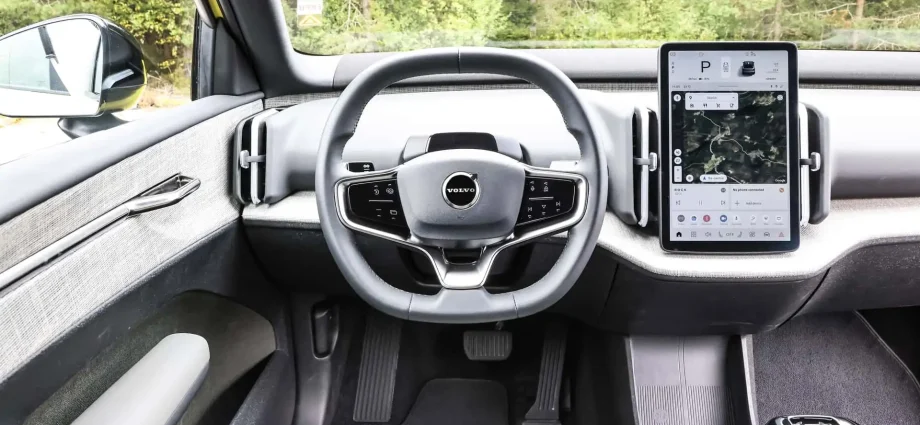
- Apple HomeKit: With Siri and CarPlay, you can control scenes from your dashboard. It’s a more walled garden, but incredibly smooth if you’re in the Apple ecosystem.
- IFTTT or Samsung SmartThings: These are the powerful glue. They can connect services that don’t officially talk, creating custom “if this, then that” automations between your car’s location and virtually any smart device.
Setting It Up: A Realistic Guide (Without the Headache)
So, you’re sold. How do you actually start integrating smart home devices with your car? Don’t try to boil the ocean. Start simple. Pick one pain point.
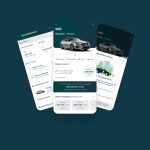
Step 1: The Foundation. You likely already have a smartphone and a relatively modern car (often 2018 or newer with a connected services package). That’s your starting point. Check your car’s app (like myChevrolet, FordPass, BMW Connected, etc.). See what “smart home” or “integration” features it lists.
Step 2: Choose Your Bridge. Align your smart home with one of the major platforms (Alexa, Google, or Apple). Consistency here reduces friction.
Step 3: Start with Geofencing. This is the killer feature. Using your phone’s or car’s location as a trigger is the most reliable way to automate things. Set a “geofence” around your home—a virtual bubble, say, a quarter-mile radius. When you cross that boundary, magic happens.
| Common Starter Automation | Trigger | Action |
| Coming Home Routine | Car/Phone enters geofence | Garage door opens, lights on, thermostat adjusts. |
| Leaving Home Routine | Car/Phone exits geofence | All lights off, thermostat sets to eco mode, locks engage. |
| Pre-Conditioning | Car navigation set for home | Starts coffee maker, turns on hallway lamp. |
Security and Privacy: The Necessary Conversation
Let’s pause for a second. All this data sharing—your location, your habits—rightly raises eyebrows. It’s a valid concern. You’re creating a detailed map of your life. When integrating your vehicle’s ecosystem with your home, you must be the gatekeeper.
Stick with reputable brands. Read the privacy policies—I know, a chore, but crucial. Use strong, unique passwords and two-factor authentication on all related accounts. And maybe think twice about connecting your front door lock to a third-party automation app if it feels too exposed. Security is a trade-off for convenience. Find your own comfort level.
The Road Ahead: Where This Is All Going
The current state is impressive, but it’s still a bit… piecemeal. The future, however, is about deeper, native integration. Imagine your electric vehicle not just telling your home you’re arriving, but managing its own charging based on home solar panel output and dynamic electricity rates—all negotiated between the car, the house, and the grid.
Or your car’s sensors detecting a sudden drop in barometric pressure and humidity as you drive, then alerting your smart irrigation system to skip the scheduled watering because rain is ten minutes away. That’s the level of contextual awareness we’re moving toward. The car becomes less a standalone vehicle and more a mobile sensor node for your entire life ecosystem.
That said, the tech will get simpler. The industry is pushing toward standards like Matter, which aims to make all smart home devices play nicely together. It’s only a matter of time before your car is just another certified “Matter” device on your network, as easy to add as a new smart bulb is today.
In the end, the goal of integrating smart home devices with your vehicle isn’t to show off. It’s to remove the tiny, nagging tasks that chip away at your day. It’s about technology that fades into the background, working so quietly and efficiently that you almost forget it’s there—until you visit someone without it, and you find yourself fumbling for a light switch in the dark, wondering how you ever lived that way.