




Picture this: you’re a potter, a soap maker, or maybe a vintage curator. You’ve got a product people love—but a brick-and-mortar lease? That’s a nightmare. Rent, utilities, the pressure of foot traffic that might never come. So, what do you do? You get a truck. Not just any truck—a mobile retail space that’s part store, part adventure. Mobile retail and pop-up shops using trucks are the artisan’s secret weapon. They’re flexible, cost-effective, and honestly? They’re a blast. Let’s roll into how you can make this work.
Why a truck? The freedom factor
Think of a truck as your store on wheels—but with way more personality. You’re not stuck in one spot. You can chase the crowds, hit farmers’ markets, or park outside a brewery on a Friday night. The overhead is lower, too. Instead of paying for a fixed location, you’re investing in a vehicle that doubles as a marketing billboard. And here’s the kicker: people love the novelty. A truck feels exclusive, like a secret they’ve stumbled upon. That’s gold for an artisan brand.
Costs you can actually stomach
Sure, a truck isn’t free. You’ve got the initial purchase or lease, then maintenance, gas, and insurance. But compare that to a storefront lease—which might demand a three-year commitment and a security deposit the size of a small car—and a truck is a breath of fresh air. Many artisans start with a used step van or a converted cargo trailer. You can even find a decent one for under $10,000 if you’re handy. That said, don’t skip the mechanical inspection. Nothing kills a pop-up vibe like a breakdown on the way to a festival.
You’ll also need to budget for permits. Every city has its own rules about vending from a vehicle. Some require a business license, a health permit (if you’re selling food), or a special mobile retail permit. Check your local regulations early—like, before you buy the truck. Trust me, it’s easier to pivot your plan than to fight a citation.
Designing your rolling storefront
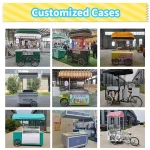
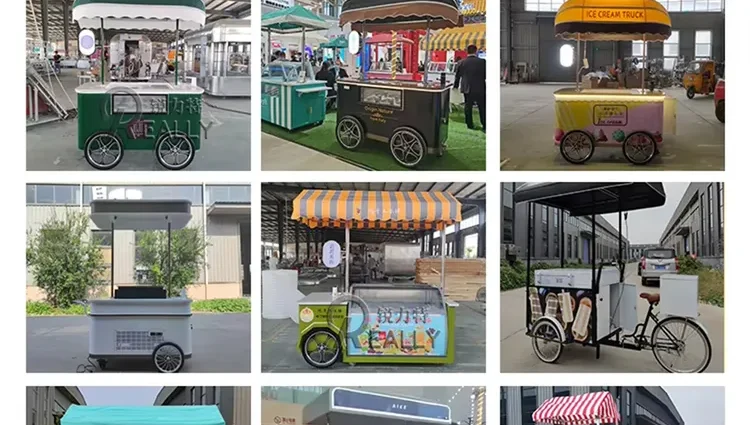
Alright, you’ve got the truck. Now, what does it look like? This is where your brand’s soul comes in. Think about the customer’s first impression. They’re walking up to a vehicle—not a store. So, make it inviting. Use bold colors, a clear sign, maybe some string lights or a chalkboard menu. Inside, every inch counts. You’re working with maybe 60 to 100 square feet. That’s tight. But constraints breed creativity, you know?
I’ve seen artisans use pegboards for hanging jewelry, magnetic strips for knives, and collapsible shelves for ceramics. One candle maker I know installed a tiny window display—just a single votive on a velvet pillow. It drew people in like moths. The key is to maximize vertical space and keep the flow open. You don’t want customers bumping elbows. A narrow aisle? Fine. But make sure they can turn around without knocking over your bestseller.
Lighting and atmosphere
Lighting can make or break a mobile shop. Harsh fluorescents? No thanks. Go for warm LED strips or battery-powered lanterns. If you’re selling textiles or art, natural light is ideal—so consider a truck with big windows or a side panel that flips up. And don’t forget music. A small Bluetooth speaker playing lo-fi beats sets the mood. It’s the little things that turn a transaction into an experience.
Finding your spots: location, location, location
Here’s the deal: a truck is only as good as where you park it. You can’t just pull up anywhere and expect sales. You need foot traffic, but also the right vibe. Think about where your ideal customer hangs out. Farmers’ markets are a classic—they attract people who value handmade goods. Art fairs, music festivals, and even college campuses work well. Some artisans partner with local coffee shops or breweries to park in their lot for a weekend. It’s a win-win: they get extra buzz, you get their customers.
But don’t overlook the power of social media for announcing your location. Post a story on Instagram: “We’re parked outside The Daily Grind until 3 PM!” It creates urgency. People will literally run over. And if you’re consistent—like every Saturday at the same park—you’ll build a loyal following. That’s the beauty of mobile retail. You’re not just selling; you’re building a community around your schedule.
Seasonal shifts and weather woes
Let’s be real: weather is a beast. Rain can kill a pop-up. Snow, too. But you can adapt. Invest in a canopy or awning for shade or drizzle. In winter, focus on indoor events—like holiday markets or mall pop-ups. Some artisans even pivot to a delivery model during bad weather, using the truck as a mobile warehouse. Flexibility is your superpower here. Don’t fight the seasons; flow with them.
The pop-up experience: more than a transaction
When someone steps into your truck, they’re not just buying a candle or a scarf. They’re stepping into your world. That’s why the experience matters. Greet them with a smile, but don’t hover. Let them touch the fabrics, smell the soaps. Tell them the story behind your product—how you source the wool from a local farm or why you use that specific essential oil. People buy stories, not things. And a truck makes that story feel intimate, like you’re sharing a secret.
I’ve seen artisans offer small freebies—a spritz of perfume, a tiny sample of honey—to create a memory. One leatherworker I know stamps a small logo on every purchase, right in front of the customer. That personal touch? It’s unforgettable. And it leads to repeat business. Because next time they see your truck, they’ll remember that moment.
Logistics and daily ops: the gritty stuff
Okay, let’s talk about the not-so-glamorous side. You’ll need a system for inventory. A spreadsheet works, but a simple app like Sortly or even Google Sheets can save your sanity. Track what sells and what doesn’t. Restock before events. And always carry a backup of popular items—you don’t want to run out of your bestseller at noon.
Payment processing is another biggie. Square or SumUp readers are lifesavers. They connect to your phone and accept cards, Apple Pay, even tap-to-pay. And yes, cash is still king for some customers—so keep a small float. Also, have a plan for bathroom breaks and lunch. You’re the only employee, so you’ll need to close for 20 minutes sometimes. Just post a sign: “Back in 15—grab a coffee next door!” People understand.
Maintenance and cleanliness
A dirty truck is a turn-off. Sweep the floor daily, wipe down surfaces, and keep the windows streak-free. If you’re selling food or cosmetics, you’ll need to follow health codes—think handwashing stations and temperature logs. But even for non-food items, cleanliness signals professionalism. Your truck is your storefront. Treat it like one.
Marketing your mobile shop on a shoestring
You don’t need a huge ad budget. Word of mouth is powerful, but you can amplify it. Use Instagram and TikTok to show behind-the-scenes clips—like loading the truck or setting up at sunrise. People love that raw, real content. Collaborate with other local vendors. Maybe you team up with a food truck for an event: they bring the tacos, you bring the handmade bowls. Cross-promotion works wonders.
And don’t underestimate the power of a simple sign. A sandwich board on the sidewalk can pull in passersby. Even a bright flag on your truck’s antenna helps. The goal is to be unignorable—but in a charming, artisan way. Not loud, just… magnetic.
Comparing truck types: a quick table
| Truck Type | Pros | Cons | Best For |
|---|---|---|---|
| Step van (e.g., UPS-style) | Spacious, durable, easy to customize | Poor gas mileage, harder to park | Large inventory, heavy items |
| Cargo trailer (towed) | Cheap, detachable from vehicle | Requires towing vehicle, less secure | Weekend pop-ups, low budget |
| Converted food truck | Already equipped with windows, power | Often overpriced, may need renovation | Artisans who also sell food/drink |
| Minivan or SUV | Stealthy, low fuel cost, easy to drive | Limited space, less brand visibility | Small items, test runs |
Honestly, there’s no “perfect” choice. It depends on your product, budget, and how often you plan to move. A step van might feel like overkill for a jewelry seller, but a minivan could work beautifully. Start small, then scale up.
The future of mobile retail for artisans
We’re seeing a shift. People crave connection—real, human interaction. After years of online shopping, a pop-up truck feels like a breath of fresh air. It’s tangible. It’s personal. And for artisans, it’s a way to stand out in a crowded market. The trend isn’t going away. In fact, cities are starting to create designated zones for mobile vendors. Some even offer grants for small businesses to start mobile operations. Keep an eye on that.
But here’s the thing: a truck won’t fix a bad product or a weak brand. It’s a tool, not a magic wand. You still need to make something people want, price it fairly, and show up with enthusiasm. The truck just gives you a stage. A rolling, slightly unpredictable, wonderfully weird stage.
So, if you’re an artisan sitting on a dream—maybe a stack of handmade mugs or a trunk full of upcycled denim—consider the road. It’s bumpy sometimes. You’ll get lost, run out of coffee, and maybe cry over a flat tire. But you’ll also meet people who love what you do. And that? That’s worth every mile.