


Let’s be honest. The dream of disappearing down a dusty track, with everything you need right there with you, is a powerful one. But buying a fully kitted-out overland rig? That can cost as much as a house. The real magic, the deep connection to your vehicle and your journey, often starts in a garage with a wrench in your hand. Building a DIY off-grid overlanding vehicle isn’t just about saving money—it’s about crafting a remote travel companion that’s uniquely, perfectly yours.
The Foundation: Choosing Your Platform
You can’t build a castle on sand. Your vehicle choice is everything. It’s the canvas for your entire project. The debate between a rugged truck, a van, or a classic SUV is eternal, and honestly, there’s no single right answer. It comes down to your travel style.
Are you planning multi-month expeditions through continents, or weekend escapes to forest service roads? A full-size truck with a slide-in camper offers immense space and payload. A van—like a Sprinter or Transit—provides a stealthier, integrated living space. And a mid-size SUV, say a Toyota 4Runner or Land Cruiser, strikes a beautiful balance between capability and daily drivability.
Here’s the deal: prioritize reliability and parts availability over pure cool factor. The most remote trail is the worst place to discover you need a proprietary tool only found in one Stuttgart dealership. Think simple, robust, and easy to fix.
Key Considerations Before You Buy
- Payload Capacity: This is your bible. Every liter of water, solar panel, and piece of gear adds up. Exceed it, and you’re risking everything.
- 4×4 System: A true low-range transfer case is non-negotiable for serious tracks. All-wheel-drive might get you far, but low-range will get you home.
- Aftermarket Support: A model with a healthy ecosystem for lift kits, bumpers, and skid plates makes your life infinitely easier.
The Heart of the Build: Off-Grid Systems
This is where your vehicle transforms from transportation to a self-sufficient basecamp. It’s a puzzle of power, water, and food—all needing to fit in a rolling box.
Power & Electricity (The Solar Setup)
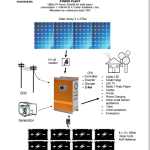
Gone are the days of just a second battery. A modern DIY electrical system for an overlanding vehicle is a mini power grid. You’ll need a deep-cycle battery bank (lithium is lighter and more efficient, but AGM is budget-friendly), a solar charge controller, an inverter for AC appliances, and of course, panels.
Mount panels on the roof—but consider a portable one you can park in the sun while your rig sits in shade. It’s a game-changer. Calculate your daily power consumption (fridge, lights, charging devices) and then double your solar input. Trust me on this. Cloudy days happen.
Water & Plumbing
Water is heavy. A 20-gallon tank adds over 160 pounds. Plan its placement carefully, low and centered. Many DIYers use food-grade plastic tanks with a simple 12V pump for a sink. A pro-tip? Build a simple outdoor shower heated by the sun—a black PVC bag hung on the roof feels like luxury after a week on the trail.
Food Storage & Kitchen
A 12V fridge is the single best upgrade for remote travel. It beats ice chests in efficiency and space every time. Your kitchen can be as simple as a pull-out drawer with a single-burner stove. The goal is minimal fuss. You know, so you can spend your time watching the sunset, not wrestling with dinner.
Living Space & Storage: The Art of Tetris
Building out the interior is an exercise in creative constraint. Every single item needs a home, or chaos ensues by day two. The current trend is toward modular furniture—pieces that can be reconfigured for sleeping, sitting, or storage.
Use lightweight but strong materials like Baltic birch plywood. And think vertically. Walls and the back of seats are prime real estate for molle panels or simple nets to hold small gear. Your bed platform should have massive, accessible storage underneath. That’s where the bulky stuff—recovery gear, tools, spare parts—lives.
| Storage Zone | Ideal For | Human-Friendly Tip |
| Under Bed | Low-use, bulky items (winter gear, spare tire) | Use heavy-duty slides or bins you can pull out. |
| Cabinet Doors | Frequently used items (cups, spices, headlamps) | Add small nets or bungees to keep things from flying. |
| “Junk” Drawer | Essential chaos (batteries, tape, multi-tool) | You will have one. Just accept it and design it in. |
Capability & Durability Upgrades
All the cozy interiors in the world won’t help if you’re stuck. Your build must focus on getting you there and back. This isn’t about making a pavement princess look tough; it’s about genuine preparedness.
- Tires & Suspension: Invest here first. All-terrain or mud-terrain tires and a modest, quality suspension lift improve clearance and ride comfort immeasurably.
- Armor: Skid plates protect your engine and fuel tank from hidden rocks. Rock sliders protect your doors and sills. They’re like insurance you hope to never use.
- Recovery Gear: A basic kit is mandatory: a rated kinetic rope, soft shackles, a shovel, and a tire repair kit. And know how to use them before you’re axle-deep in mud.
The Human Element: It’s Never Finished
Here’s a little secret from anyone who’s done this: your DIY overland vehicle is a living project. You’ll take it out, shake it down, and find a dozen things you want to change. That drawer latch that seemed fine in the garage? It’ll rattle like a snare drum on a corrugated road. The perfect power setup will meet a week of rain and you’ll wish for just… one… more… panel.
And that’s okay. In fact, that’s the point. The build is a journey that mirrors the travel itself—full of problem-solving, adaptation, and small victories. The vehicle becomes a diary of your experiences, each scratch and modification telling a story.
So start simple. Get the fundamentals of safety and shelter right. Then go. Use it. Learn what you actually need, not what a magazine feature says you need. The most profound upgrades are born from real, dust-in-your-teeth experience. Your rig, in the end, isn’t just a collection of parts. It’s the key to a quieter map, a slower pace, and the profound freedom of finding your own way.