




You step off the bus, and the station is buzzing. But your destination? It’s still a mile away. That’s the moment you wish for something—anything—that fills that gap. That, right there, is where micro-mobility integration with public transit becomes a game-changer. It’s not just about scooters or bikes anymore. It’s about a seamless journey, from your front door to the train platform and beyond. Let’s talk about why this matters, how it’s happening, and what’s still broken.
The “first mile, last mile” problem: A real pain point
Honestly, public transit has always had a blind spot. You can have the fastest subway in the world, but if you can’t get to the station without a car, you’re stuck. This is the “first mile, last mile” dilemma. It’s the reason so many people drive instead of taking the train. Micro-mobility—think e-scooters, dockless bikes, even electric skateboards—is the obvious solution. But integration? That’s the tricky part.
In fact, a study from the National Association of City Transportation Officials found that over 60% of micro-mobility trips replace car trips when they’re connected to transit hubs. That’s huge. But here’s the thing: it only works if the handoff is smooth. No clunky apps. No dead zones. No scooters scattered like confetti on the sidewalk.
What does integration actually look like?
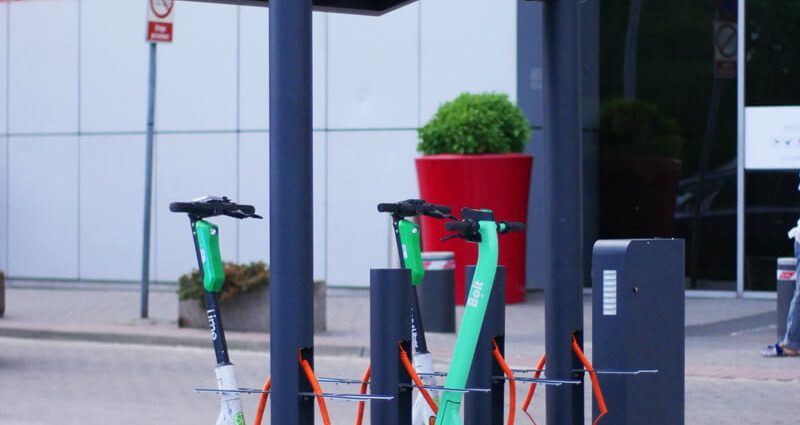
Well, it’s more than just placing a scooter rack next to a bus stop. It’s about data sharing, payment systems, and real-time coordination. Imagine this: you buy a single ticket for your train ride and your e-bike rental. You tap your phone, and the bike unlocks. You ride to the station, hop on the train, and when you get off, another bike is waiting. That’s the dream. And it’s happening—in pockets.
Cities like Helsinki and Los Angeles are piloting “mobility-as-a-service” platforms. You know, the kind where one app does everything. But it’s not universal. Not yet.
Why micro-mobility and transit are a natural pair (like peanut butter and jelly)
Let’s break it down. Public transit is great for long, straight lines—trains, buses, light rail. But it’s terrible for the wiggly, unpredictable parts of a trip. Micro-mobility? It thrives on wiggly. It’s agile, cheap, and door-to-door. Together, they cover more ground. And they do it with less carbon, less congestion, and less hassle.
Here’s a quick look at the benefits, in case you’re keeping score:
- Reduced car dependency: People leave their cars at home when they know a scooter is waiting at the station.
- Lower emissions: Electric scooters and bikes produce far less CO2 per mile than cars, even when factoring in charging.
- Faster commutes: Door-to-door travel time drops by up to 30% in some integrated systems.
- Equity boost: Lower-income neighborhoods often lack transit access; micro-mobility can bridge those gaps.
But—and there’s always a but—integration isn’t just about slapping a scooter stand at the station. It’s about intentional design.
The infrastructure gap: Where things get messy
You ever try to ride a scooter on a road with no bike lane? It’s terrifying. And if the path from your apartment to the bus stop is broken pavement or a steep hill, you’re not taking a scooter—you’re taking an Uber. So, integration requires safe, dedicated lanes. It requires parking zones that don’t clog sidewalks. And it requires transit agencies to actually talk to micro-mobility companies.
That last part? It’s harder than it sounds. Transit agencies move slow. Micro-mobility startups move fast. They speak different languages—literally, in terms of data formats and APIs. But when they sync up, magic happens.
Real-world examples that work (and a few that don’t)
Let’s look at some cities that are getting it right—and one that’s, well, learning.
| City | Integration Approach | What Works | What Needs Work |
|---|---|---|---|
| Helsinki, Finland | Whim app bundles transit, bikes, and taxis | Seamless payment, real-time routing | Limited scooter availability in suburbs |
| Los Angeles, USA | Metro Bike Share + dockless scooters near stations | Subsidized first-mile trips for low-income riders | Inconsistent parking enforcement |
| Paris, France | Vélib’ bikes + e-scooter permits at metro stops | High density, strong bike lane network | Scooter clutter still a complaint |
| Berlin, Germany | BVG app integrates Tier, Lime, and Nextbike | Multi-operator, single-ticket option | App sometimes glitchy on peak hours |
Notice a pattern? The cities that succeed share three things: open data standards, dedicated infrastructure, and a willingness to experiment. The ones that struggle? They treat micro-mobility like an afterthought—like a sticker slapped on a broken system.
Tech that makes the handoff seamless
Okay, so what’s under the hood? Well, a lot of it comes down to APIs and geofencing. When a transit app knows where you are and where you’re going, it can suggest the best micro-mobility option—and even reserve it for you. Some systems use dynamic pricing to encourage you to take a scooter during off-peak times, easing congestion on buses.
And then there’s the payment piece. Nobody wants to juggle three apps. So, integrated ticketing—like the Mobility-as-a-Service (MaaS) model—bundles everything into one subscription. You pay $100 a month, and you get unlimited bus rides plus 30 minutes of scooter time per day. Simple. Elegant. But it requires transit agencies to share revenue, which is… politically messy.
Data sharing: The secret sauce (or the sticking point)
Here’s the deal: for integration to work, micro-mobility companies need to share where their vehicles are—and where they’re being parked. Transit agencies need to share schedules and capacity. This data exchange is governed by standards like GBFS (General Bikeshare Feed Specification). It’s not sexy, but it’s essential. Without it, you get ghost scooters and empty racks.
Some cities, like San Francisco, require real-time data sharing as a condition for operating permits. Others… don’t. And that’s where you get chaos.
Pain points that still sting
Let’s be real for a second. Integration isn’t all sunshine and smooth rides. There are some stubborn problems.
- Safety concerns: Helmets, drunk riding, and sidewalk conflicts are real. Some cities have banned scooters outright because of injuries.
- Equity gaps: Micro-mobility is often cheaper than a car, but not everyone has a smartphone or a credit card. Cash payment options are rare.
- Vandalism and theft: Scooters get tossed in rivers, bikes get stripped for parts. It’s a cost that gets passed to users.
- Regulatory whiplash: One year, a city loves scooters. The next, they’re banned. Hard to build a system on quicksand.
But here’s the thing—these aren’t reasons to give up. They’re reasons to design better. To involve communities. To test, iterate, and listen.
The future: What’s coming down the pike
I think we’re moving toward a world where micro-mobility and transit are just… one thing. You won’t think about “taking a scooter to the train.” You’ll just think about “getting there.” And the system will figure out the rest. Autonomous shuttles, drone delivery of bikes, smart parking that charges your scooter while you ride the subway—it’s all on the table.
Some cities are already testing adaptive traffic signals that give priority to bikes and scooters near transit hubs. Others are using AI to predict where demand will spike after a concert or a game, then rebalancing fleets automatically. It’s not sci-fi. It’s happening.
But the biggest shift? It’s cultural. People are starting to see their commute as a system, not a single mode. They’re okay with switching from a scooter to a bus to a bike, as long as it’s easy. And that’s the real win.
What you can do (if you’re a city planner or a curious rider)
If you’re in a position to influence this stuff—maybe you work for a transit agency, or you’re just a vocal resident—push for integrated payment. Demand dedicated lanes. Ask your local scooter company to share data with the city. It sounds boring, but it’s the foundation. Without it, we’re just piling scooters on sidewalks and calling it progress.
And if you’re a rider? Try it. Take a scooter to the bus stop. See how it feels. If it’s clunky, complain. If it’s smooth, tell someone. Your feedback is the GPS for this whole thing.
Wrapping it up (without the fluff)
Micro-mobility integration with public transit isn’t a luxury. It’s a necessity for cities that want to reduce traffic, cut emissions, and give people real choices. It’s messy, sure. It’s full of competing interests and technical hurdles. But when it works—when you glide from your doorstep to the train to your office without breaking a sweat—it feels like the future. And honestly? That future is closer than you think. It just needs a little nudge.