




Let’s be honest. The weather isn’t just changing; it’s becoming more intense, more unpredictable. For preppers and overlanders, that means the old rulebook is out the window. Your truck isn’t just a vehicle anymore—it’s a mobile basecamp, a potential lifeboat, a climate-resilient shell. The goal? To build a rig that can handle a sudden flash flood, a week-long heat dome, or a freak blizzard with equal composure.
Here’s the deal: true resilience isn’t about one magic gadget. It’s a layered approach, a symphony of modifications that work together. We’re going to dive into the key areas that turn a standard truck into a fortress on wheels, ready for whatever the atmosphere throws at it.
The Foundation: Mobility and Protection
You can’t be resilient if you’re stuck. That’s the first, non-negotiable principle. Climate change means more washed-out roads, deeper mud, and unexpected debris. So your build starts from the ground up.
Tires and Suspension: Your Contact Patch with Chaos
All-terrain or mud-terrain tires with a severe snow service rating (the three-peak mountain snowflake symbol) are a must. They’re not just for snow; they indicate a compound that stays pliable in extreme cold and grips better in wet conditions. Pair them with a modest lift and upgraded, adjustable suspension. This isn’t just for looks—it increases ground clearance for high water and improves handling when your rig is loaded down with gear. Think of it as giving your truck stronger legs and better boots.
Armor Up: Skid Plates and Sliders
When roads deteriorate, hidden rocks and stumps appear. Heavy-duty skid plates for your engine, transmission, and fuel tank are like a medieval knight’s armor for your truck’s vital organs. Rock sliders protect the vulnerable rocker panels from damage if you need to traverse an obstacle or, you know, a collapsed section of asphalt. It’s cheap insurance.
Power and Water: The Lifelines
This is where prepper and overlanding philosophies truly merge. Energy and clean water independence turn a stressful situation into a manageable one.
Building a Robust Electrical System
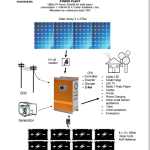
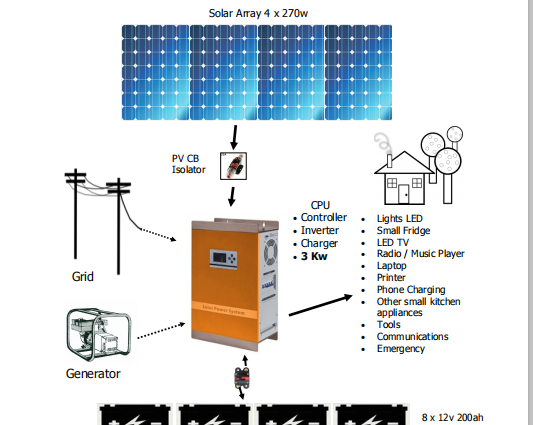
A single starting battery isn’t enough. You need a dedicated, isolated auxiliary battery system—usually a deep-cycle AGM or, better yet, a Lithium Iron Phosphate (LiFePO4) battery. These power your fridge, lights, comms, and devices without risking your ability to start the engine. Solar is the perfect partner here. A 100-200W flexible panel on your roof or rack can trickle-charge your system indefinitely in sunny conditions, a genuine game-changer during prolonged grid-down scenarios.
And don’t forget a pure sine wave inverter. It safely powers sensitive electronics like medical devices or laptops, something crucial that many folks overlook until they need it.
Water Security On the Move
Storing water is one thing. Making it safe is another. A permanently mounted, baffled freshwater tank (think 20-40 gallons) is a start. But the real climate resilience mod is a high-quality water filtration system. Look for a setup that includes a sediment pre-filter and a purifier capable of removing viruses and bacteria (like a UV or advanced ceramic filter). This lets you safely refill from lakes, streams, or even questionable tap sources, effectively making any water source a potential resupply point.
Shelter and Climate Control
Your truck’s cabin and sleeping area are your microclimate. Modifying them for extreme heat or cold is non-negotiable for comfort and survival.
Beating the Heat
Insulation works both ways. Reflective window covers (like ceramic-coated ones) dramatically reduce solar heat gain. A high-quality roof vent fan, or better yet, a small 12V air conditioning unit powered by your auxiliary system, can make a shaded parking spot tenable during a heatwave. And honestly, an awning provides essential shade outside the metal box of your truck, creating a livable outdoor space.
Staying Warm in the Deep Freeze
Diesel parking heaters (often called Chinese diesel heaters) are the secret weapon here. They sip fuel, run off your auxiliary battery, and can keep a truck bed camper or even the cabin toastie warm all night. Pair this with insulating window covers (which now trap heat in) and a proper sleeping bag rated for the conditions. Remember, moisture management is key—a small crack in a window combined with that vent fan on low can prevent condensation, which is the enemy of warmth.
Communication and Navigation: Your Link to the World
When cell towers go down in a storm or wildfire, information is your most valuable asset. Relying solely on a smartphone is a major point of failure.
- GMRS/FRS Radios: Great for short-range convoy or group communication.
- HAM Radio License & Mobile Unit: This is the gold standard for long-range, off-grid comms. Getting a technician license is easier than you think and opens up a world of emergency networks.
- Satellite Communicators: Devices like a Garmin inReach or Zoleo provide two-way texting and SOS capabilities from literally anywhere on the planet. They’re a critical piece of the puzzle.
- Redundant Navigation: Have both a dedicated GPS unit (with pre-loaded topo maps) and physical paper maps of your region. Electronics can fail; paper, if kept dry, won’t.
The Prepper’s Edge: Specific Mods for SHTF Scenarios
Overlanders focus on adventure; preppers integrate a deeper layer of preparedness. Here’s where those modifications get a bit more… focused.
| Modification | Climate Resilience Purpose | Consideration |
| Dual Fuel Tank or Long-Range Tank | Evacuate beyond the immediate danger zone without relying on (possibly closed) gas stations. | Increased weight and cost; ensures mobility during fuel shortages. |
| Hidden/Secure Storage Compartments | Secure valuable gear, tools, or supplies in case you must leave the vehicle unattended in an unstable situation. | Custom fabrication often needed; keeps essentials out of sight. |
| Winch with Synthetic Rope & Recovery Gear | Self-recovery from flood mud, snow drifts, or debris-blocked paths. Also to assist others. | Requires proper bumper mounting and knowledge to use safely. Synthetic rope is lighter and safer than steel. |
| Portable Air Compressor & Tire Repair Kit | Air down for traction in sand/mud, then re-inflate. Repair punctures from storm debris on the fly. | A high-quality, fast compressor saves time and battery. Know how to plug a tire. |
Look, building the ultimate climate-resilient truck is a journey, not a weekend project. It starts with one priority—maybe better tires or a secondary battery—and grows from there. Listen to your truck, and listen to the weather reports. Each storm, each heatwave, teaches a new lesson about what you and your rig truly need to endure.
The most important modification, in the end, isn’t bolted on. It’s the knowledge you carry, the skills you practice, and the adaptability you cultivate. Your truck is just a tool—a highly capable, resilient tool—but it’s the human behind the wheel that makes all the difference when the world gets unpredictable.