





You bought an electric vehicle to save money on gas and maybe help the planet a bit. That’s great. But what if your car could do more? What if, instead of just sitting in your driveway for 20 hours a day, it could actually earn you money? That’s the promise of vehicle-to-grid technology, or V2G. It sounds like sci-fi, but it’s very real—and it’s inching closer to your garage.
Let’s dive in. This isn’t a technical white paper. It’s a plain-talk guide for EV owners who are curious, maybe a little skeptical, and wondering if this whole “car as a power plant” thing is for them.
What Is V2G, Really? (The Battery on Wheels Analogy)
Think of your EV’s battery as a giant power bank. Right now, you only use it one way: grid to vehicle (G2V). You plug in, you fill up, you drive. V2G flips the script. It allows a two-way conversation between your car and the electrical grid. When demand for electricity is high—like on a sweltering summer afternoon when everyone’s blasting their AC—your EV can send some of its stored energy back to the grid. Later, when power is cheap and plentiful (say, the middle of the night), it refills.
Honestly, it’s a simple concept with complex execution. Your car becomes a mobile energy asset, not just a consumer. And you, the owner, get compensated for playing along.
How Does V2G Actually Work? The Nuts and Bolts
Here’s the deal. To make V2G happen, you need three key things:
- A Compatible EV: Not all electric vehicles can do this. Currently, models using CHAdeMO charging (like the Nissan Leaf) have been early leaders. CCS-compatible cars are catching up, but the tech and agreements are still rolling out. Always, always check your vehicle’s specs.
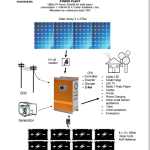
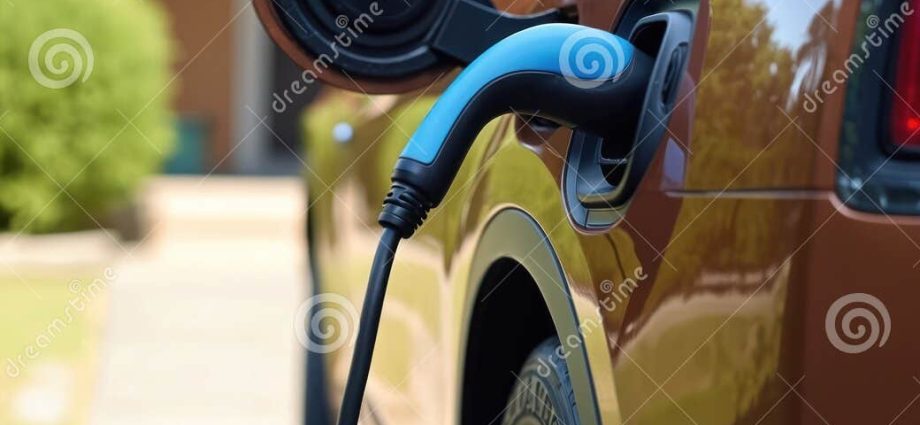
- A Bi-Directional Charger: This is the heart of the setup. It’s not your standard Level 2 home charger. This specialized (and currently pricey) piece of equipment can both pull energy from the grid and push it back out safely. Think of it as a sophisticated energy translator.
- Utility or Aggregator Program: You can’t just start pumping electrons back willy-nilly. You need to enroll in a program run by your local utility or a third-party “aggregator” who manages lots of EV batteries as a virtual power plant. They provide the software, the rules, and crucially, the payments.
The Daily Cycle: A V2G Day in the Life
Imagine this. You plug in your car at 10 PM when electricity rates are low. By 7 AM, you’ve got an 80% charge for your daily commute. You drive, you park at work. Here’s where it gets interesting. If you’re enrolled in a program, the aggregator might signal your car to discharge a bit during the 2 PM peak demand window—maybe only 10-15% of its capacity. You won’t even notice. By the time you leave work, it’s stopped, and you still have more than enough charge to get home. Rinse, repeat.
The Tangible Benefits: Why Would You Bother?
Sure, it sounds cool. But what’s in it for you, practically?
- Earn Money or Credits: This is the big one. You’re essentially selling a service (grid stability) and a product (electricity). Payments can come as direct cash, bill credits, or significantly reduced charging rates. It can offset a nice chunk of your EV’s operating cost.
- Enhanced Grid Resilience: This is the community benefit. By supporting the grid during stress, you’re helping prevent brownouts and making better use of renewable energy (like storing excess solar power). It’s a feel-good factor that’s actually impactful.
- Backup Power for Your Home (V2H): A closely related tech is Vehicle-to-Home. With the right setup, during a blackout, your EV can power your fridge, lights, and essentials for days. That’s a powerful peace-of-mind perk.
The Real-World Hurdles & Considerations
Let’s not sugarcoat it. V2G isn’t plug-and-play for everyone yet. Here are the current pain points you should know about.
| Consideration | The Reality Check |
| Vehicle Availability | Limited models support it today. It’s a key factor in your next EV purchase if V2G is a goal. |
| Upfront Cost | Bi-directional chargers are an investment, often several thousand dollars before any incentives. |
| Battery Degradation Concerns | The extra charge/discharge cycles could impact battery life. But—and this is a big but—smart software minimizes deep discharges and keeps the battery in a happy, healthy state. Most experts agree the financial benefits likely outweigh minimal extra wear. |
| Program Availability | It’s highly regional. California, the UK, and parts of the EU are ahead. You might be tech-ready but have no utility program to join yet. |
That last point is crucial. The tech is advancing faster than the regulations and business models, honestly. It’s a classic chicken-and-egg scenario.
Is V2G Right For You? A Quick Self-Assessment
Ask yourself these questions:
- Do I have a compatible EV, or am I planning to buy one soon?
- Does my daily driving routine use less than, say, 60-70% of my battery? (You need a buffer to participate meaningfully).
- Is my utility or a local aggregator offering a V2G program? (A quick web search for “V2G program [your state/utility]” will tell you).
- Am I willing to deal with some upfront cost and setup for long-term gain?
If you answered “yes” to most of these, it’s worth a deeper look. If not, that’s okay. Think of V2G as an exciting, evolving feature—not a must-have for every EV owner today.
Getting Started: Your First Steps
Feeling intrigued? Here’s a practical path forward.
- Research Your Utility: Go straight to the source. Check their website or call and ask about V2G or EV dispatchable load programs. They’ll have the definitive word on availability and incentives.
- Audit Your Driving: For a week, track your mileage and charging habits. How much battery do you really use each day? That leftover capacity is your potential earning power.
- Crunch the Numbers: If a program exists, get their rate sheet. Estimate the costs (charger, installation) versus the projected earnings or credits. Don’t forget to factor in any tax credits or rebates for the equipment.
- Talk to Installers: Find a qualified electrician experienced with bi-directional chargers. Their on-the-ground knowledge is gold—they’ll know about permitting hiccups or local grid connection rules.
The Bigger Picture: Where This Is All Heading
We’re at the beginning of a shift. Not just in how we drive, but in how we think about energy. Your car is becoming a node in a vast, intelligent network. The future grid will be decentralized, resilient, and powered by renewables. V2G is a cornerstone of that vision.
For now, it’s a frontier. There will be bumps. Programs will change. Technology will improve. But the core idea—that your vehicle has value beyond transportation—is undeniably powerful. It turns a parked car from a dormant asset into an active participant in our energy ecosystem. And that, when you think about it, is a pretty profound upgrade.