







Imagine this: a storm knocks out the power in your neighborhood. Houses go dark. But yours? Your lights stay on, the fridge hums, and maybe you even offer your neighbor a phone charge. The source isn’t a gas generator or a wall of Tesla Powerwalls. It’s your electric car, quietly parked in the driveway.
This isn’t science fiction. It’s the promise of Vehicle-to-Grid (V2G) technology, and it’s closer than you think. At its core, V2G flips the script. Instead of your EV only sucking energy from the grid, it can also push energy back. Your car becomes, in essence, a massive, mobile home battery. Let’s dive into how this works, why it matters, and what it means for you, the grid, and honestly, the future of energy.
From Plug-in to Plug-Out: How Does V2G Actually Work?
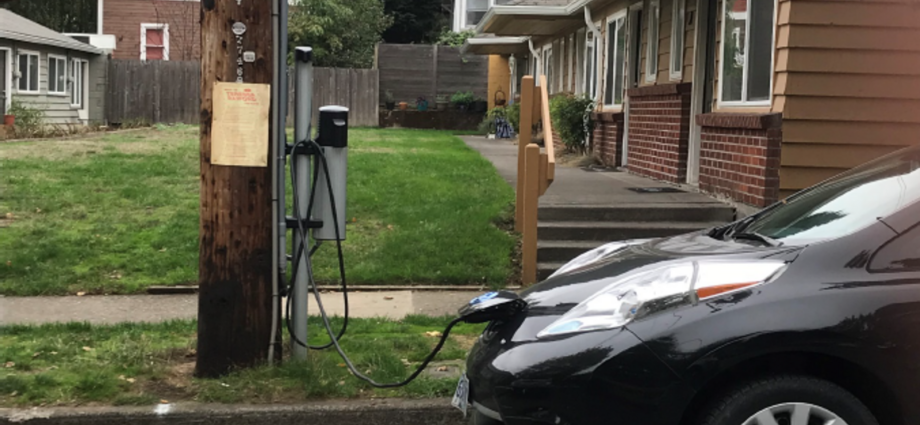
Think of a standard EV charger as a one-way street. Power flows from your house to the car. A V2G-capable system, however, is a two-way highway. It requires three key pieces:
- A Compatible EV: Not all electric cars can do this. The vehicle needs a bidirectional charger built into its power electronics. Some models, like the Nissan Leaf, certain Hyundai Ioniq 5/6 trims, and the Ford F-150 Lightning, already have this capability. More are coming.
- A Bidirectional Home Charger: You can’t use your standard Level 2 charger. You need a specialized wall unit that can manage the complex dance of inverting the car’s DC battery power back to usable AC power for your home.
- Software & Agreements: This is the brain. An app or utility program tells your system when to charge, when to discharge, and how much energy to keep for your own needs. You might sign up with your utility for a V2G program.
Why Would You Want Your Car to Power the Grid? The Benefits
Sure, the backup power during an outage is the flashy, obvious perk—and a huge one. But the real magic of using your EV as a home battery is in the daily, almost invisible grid services. Here’s the deal:
For You, the EV Owner
Potential Earnings: Utilities will pay you. Seriously. When the grid is stressed—on a blistering hot afternoon when everyone’s AC is cranked—your utility can send a signal to your V2G system. It draws a small amount of power from your parked EV fleet (yours and thousands of others) to balance demand. You get compensated, often through bill credits or cash. You’re essentially renting out your battery’s capacity.
Maximizing Solar: Got rooftop solar? Without a home battery, excess energy you produce at midday often gets sold back to the grid at a low rate. With V2G, you can store that solar power in your car’s battery and use it to power your house at night, increasing your energy independence.
Backup Power Peace of Mind: We mentioned it, but it’s worth repeating. In a world of increasing weather extremes, having a 60-100 kWh battery pack sitting in your garage is an incredible security blanket.
For the Grid (And the Planet)
This is where V2G gets revolutionary. The current grid is built for one-way flow, and it struggles with peaks. V2G creates a massive, distributed energy network.
| Grid Challenge | How V2G Helps |
| Peak Demand (4-9 pm) | EVs supply power, flattening the peak and preventing blackouts. |
| Intermittent Renewables (solar/wind) | EVs store excess renewable energy when it’s plentiful, releasing it when it’s not. |
| Infrastructure Strain | Reduces need to build expensive, rarely-used “peaker” power plants. |
It turns a perceived problem—millions of EVs needing charge—into the grid’s greatest asset. A distributed, responsive battery network.
The Real-World Hurdles: It’s Not All Smooth Charging
Okay, let’s pump the brakes for a second. V2G is promising, but it’s in its early days. There are legitimate questions and barriers.
- Battery Degradation Worries: This is the big one. More charge/discharge cycles could mean faster battery wear. Manufacturers and researchers are adamant that smart software can minimize this—only using a small portion of the battery, keeping it in a healthy state of charge, and prioritizing your driving needs. The financial incentives, they argue, would outweigh minimal degradation. The long-term data is still being gathered, honestly.
- Upfront Cost: Bidirectional chargers are more expensive than standard ones. Prices will fall, but it’s a current barrier.
- Regulatory & Utility Maze: Policies and standards are still being written. Not all utilities have V2G programs, and interconnection rules can be a headache.
- The “I Need My Range” Problem: What if you get an emergency call and your car’s at 40% because it just powered the grid? Good software lets you set minimum charge levels—”always keep me 50% for driving.” It’s about control.
Getting Started: Is V2G Right for You Now?
Maybe. If you’re an early adopter with a compatible car, live in an area with a supportive utility (like certain programs in California, Delaware, or the UK), and are motivated by tech and sustainability, it’s worth exploring.
For most people today, the first step is Vehicle-to-Home (V2H). This is the backup power use case. It uses the same bidirectional hardware but is simpler—your car powers your house during an outage, not the wider grid. The Ford F-150 Lightning’s “Intelligent Backup Power” is a famous example. It’s a gateway drug to the full V2G ecosystem.
Ask these questions:
- Does my EV model support bidirectional charging?
- Does my local utility have a V2G or V2H pilot program?
- What are the costs for a qualified installer and the bidirectional charger?
- How are participants compensated? (Bill credits? Cash?)
The Road Ahead: A Two-Way Street
The vision is compelling. Picture a future where millions of EVs are plugged in, not as a burden, but as a vast, stabilizing force for a renewable grid. Your commute becomes an energy transaction. Your parking spot at work becomes a virtual power plant node.
It redefines the relationship between our machines and our infrastructure. The car shifts from a symbol of personal freedom and, let’s be real, fossil fuel consumption, to a node in a clean, resilient energy web. That’s a pretty profound shift. The technology is here. The policies and business models are catching up. And your next car might just be the most powerful appliance—and asset—you ever own.