



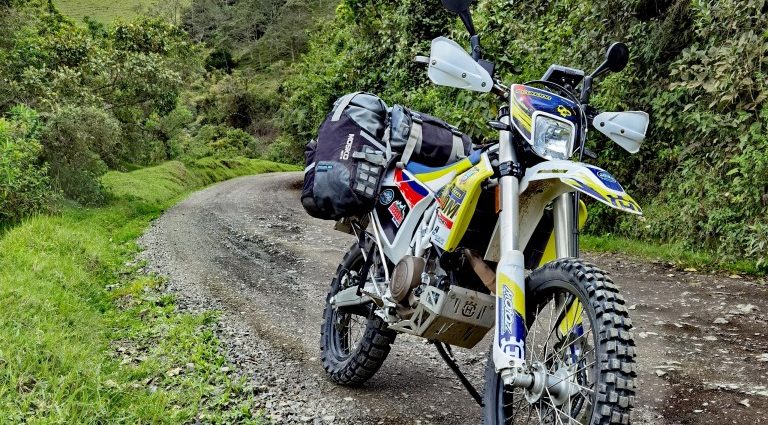
Let’s be honest — scooter camping sounds a little crazy at first. I mean, strapping a tent and a sleeping bag to a 125cc machine that tops out at 60 mph? It feels like trying to pack for a month-long hike into a fanny pack. But here’s the thing: scooter camping is one of the most liberating, low-cost, and surprisingly comfortable ways to explore the backroads. You don’t need a massive touring bike or a rooftop tent. You just need a bit of creativity, the right gear, and a route that doesn’t hate you.
In fact, the limitations of a scooter — small storage, modest power, and limited range — actually force you to travel lighter and smarter. That’s the beauty of it. You’re not hauling a kitchen sink. You’re gliding through winding roads, feeling every breeze, and stopping wherever looks interesting. So, let’s break down the essentials: what gear actually works, how to plan a route that won’t leave you stranded, and a few tricks I’ve picked up from doing this way too many times.
Why Scooter Camping Works (And Why It’s Not for Everyone)
First off, scooter camping isn’t about speed. It’s about freedom on a budget. You can park anywhere, weave through traffic, and laugh at gas prices. A 150cc scooter can get 70–100 miles per gallon. That’s not just efficient — it’s almost magical when you’re on a multi-day trip. But honestly, the real magic? It’s the intimacy with the landscape. You smell the pine trees, feel the temperature drop as you climb a pass, and hear the birds over the hum of the engine. You’re not insulated inside a metal cage.
That said, there are trade-offs. You won’t be cruising at 80 mph on the interstate. And if you’re carrying a passenger or a week’s worth of gear, you’ll need to be ruthless about weight. But for solo travelers or couples who pack light? It’s a game-changer.
Gear That Actually Works for Scooter Camping
Alright, let’s talk gear. The golden rule: every ounce counts. A scooter’s weight limit is usually around 300–400 lbs total (rider + gear). So you can’t just throw a Coleman tent and a cooler on the back. You need to be strategic. Here’s what I’ve found works best — after plenty of trial and error, believe me.
1. The Shelter: Ultralight or Bust
Forget the bulky 4-person tent. You want something that packs down to the size of a football. I’ve used a one-person backpacking tent (like the MSR Hubba or a cheap Naturehike knockoff) for years. It weighs under 3 lbs. If you’re really tight on space, a hammock setup with a rain fly works wonders — just make sure you have trees. And a bug net. Trust me on that.
2. Sleeping System: Compact and Warm
A good sleeping pad is non-negotiable. I use a self-inflating pad that rolls up to the size of a water bottle. Pair it with a 30°F down quilt or a mummy bag. Down compresses better than synthetic, but it’s useless if wet — so store it in a dry bag. Pro tip: stuff your sleeping bag into a compression sack and strap it to the seat. It doubles as a backrest.
3. Storage Solutions: The Art of Strapping
You’ll need more than the under-seat compartment. That’s where dry bags and bungee nets come in. I use a 40-liter dry bag strapped to the rear rack with Rok straps (those rubber ones are amazing). A small tank bag holds my phone, wallet, and snacks. And if you’re feeling fancy, a top box adds lockable storage — but it adds weight and wind resistance.
Here’s a quick gear checklist I swear by:
- Ultralight tent or hammock (under 4 lbs)
- Compressible sleeping bag (down is best)
- Self-inflating sleeping pad
- Two 20L–40L dry bags
- Rok straps (4–6 of them)
- Small stove (like a Jetboil) and one fuel canister
- Mess kit (titanium pot and spork)
- Headlamp and spare batteries
- First-aid kit (small, but with blister care)
- Rain gear (poncho or waterproof jacket — you will get caught)
- Tool kit (basic wrenches, tire plug kit, portable air pump)
Oh, and bring a power bank. Your phone is your GPS, camera, and emergency device. Don’t let it die.
Route Planning: The Scooter’s Sweet Spot
Route planning for a scooter is different than for a motorcycle or car. You can’t just punch in “fastest route” and hope for the best. You need to think about elevation, road surface, and fuel stops. A scooter’s range is usually 100–150 miles per tank. So you’ll be stopping for gas every 2–3 hours. That’s fine — it forces you to stretch and take photos.
But here’s the deal: avoid highways. Seriously. A scooter is miserable at 65 mph with trucks blowing past you. Stick to secondary roads, county routes, and scenic byways. Apps like Rever or Scenic let you filter for curvy, low-traffic roads. I also use Google Maps with the “avoid highways” toggle — but double-check for dirt roads. Your scooter’s tiny wheels hate gravel.
How Far Should You Plan Per Day?
Honestly, don’t push it. A good rule of thumb is 150–200 miles per day on a scooter. That gives you time for breaks, detours, and setting up camp before dark. I once tried 300 miles in a day on a 125cc scooter in the Alps. By hour 8, my butt was numb and my hands were vibrating like a tuning fork. Learn from my pain.
Also, plan your fuel stops. Use an app like GasBuddy or just look at a map before you leave. In remote areas, gas stations can be 50 miles apart. If your tank only holds 1.5 gallons, that’s a problem. Carry a small fuel bottle (like a MSR fuel canister) as backup — but check local laws about transporting fuel.
Packing Like a Pro (Without Looking Like a Clown)
Packing a scooter is like playing Tetris — but with straps. The key is weight distribution. Keep heavy items low and centered. Put your tent and sleeping bag on the rear rack, but balance them side-to-side. A lopsided load makes the scooter wobble at speed. Not fun.
I use a waterproof duffel bag strapped across the seat for my soft gear. Then I attach a smaller dry bag on top for clothes. Tools and stove go under the seat. And my rain jacket? It’s always within reach — because it will rain. Always.
One weird trick: use a backpack as a tail bag. Just strap it to the rear rack with the straps facing up. You can access it without untying everything. It’s not elegant, but it works.
Navigating the Unexpected: Breakdowns and Weather
Scooters are reliable, but they’re not invincible. A flat tire is the most common issue. That’s why I always carry a tire plug kit and a small 12V air pump (the ones that plug into a cigarette lighter — yes, you can wire one to a scooter battery). Practice using it at home. Seriously. Doing it on the side of a rainy road at dusk is not the time to learn.
Weather-wise, you’ll get caught in rain. It’s a rite of passage. A good rain suit (not just a poncho) will save your trip. And if you’re in mountain areas, afternoon thunderstorms are common. Plan to be off the road by 3 PM in summer. Or just embrace getting wet — but pack dry clothes in a separate bag.
Where to Go: A Few Routes That Shine on Scooters
Not all roads are scooter-friendly. Here are a few that I’ve loved — and that won’t kill your engine:
- The Blue Ridge Parkway (USA): 469 miles of slow, curvy, no-trucks-allowed bliss. Speed limit is 45 mph — perfect for a scooter. Campgrounds every 30 miles.
- The Amalfi Coast (Italy): Narrow, dramatic, and full of switchbacks. A 125cc scooter is actually the ideal vehicle here. Just watch for tour buses.
- The North Coast 500 (Scotland): Wild, windy, and stunning. Fuel stops are sparse, so plan carefully. But the single-track roads with passing places? Scooter heaven.
- Taiwan’s East Coast: Cheap gas, warm weather, and endless coastal views. Scooters are the main mode of transport here — you’ll fit right in.
If you’re new to scooter camping, start with a weekend trip within 100 miles of home. Test your gear, your packing system, and your patience. You’ll learn more in one night than from a dozen blog posts.
The Unspoken Joy of Slow Travel
Here’s the thing about scooter camping — it forces you to slow down. You can’t rush. You feel every bump, every turn, every change in the air. You stop for roadside fruit stands and random viewpoints. You talk to locals because you’re not zipping past at 80 mph. And at the end of the day, when you unroll your sleeping bag under the stars, you realize you didn’t just travel — you experienced the journey.
Sure, it’s not for everyone. Some people need air conditioning and a real mattress. But for those who crave simplicity, adventure, and a little bit of discomfort in exchange for raw freedom? Scooter camping is the answer. It’s not about the destination. It’s about the road — and the fact that you’re on it, with everything you need strapped to a machine that costs less than a month’