




There’s a certain romance to an old truck. The smell of diesel, the familiar rattle of a well-worn engine… but let’s be honest, that romance fades fast when you’re staring at a $15,000 repair bill on the side of I-80. For fleet managers, aging equipment is a double-edged sword. You’ve paid off the asset, sure, but the maintenance costs? They start to climb like a mountain pass in Colorado.
This is where telematics and predictive maintenance come in. It’s not just about tracking where your trucks are anymore. It’s about listening to what they’re telling you before they start screaming for help.
The Reality of the Aging Fleet
Let’s face it: replacing an entire fleet isn’t exactly cheap. A new Class 8 sleeper tractor can easily run you $180,000 or more these days. So, many companies are holding onto their iron longer. The average age of commercial trucks in the U.S. has been hovering around 7 to 8 years, and in some sectors, it’s even older.
But older trucks are like aging athletes. They can still perform, but they need more warm-ups, more ice baths, and frankly, a closer eye on their vitals. Without that attention, you’re not running a fleet; you’re running a gamble.
What Exactly is Telematics?
If you’re new to the term, telematics is basically the marriage of telecommunications and informatics. In plain English? It’s a black box (or a dongle, or an OEM system) that pulls data from the truck’s onboard computer and sends it to the cloud.
We’re talking about data like:
- Engine fault codes
- Fuel consumption
- Idle time
- Harsh braking events
- Mileage and GPS location
But here’s the deal: raw data is just noise. The magic happens when you turn that data into insight.
From Reactive to Predictive: The Mindset Shift
Traditionally, fleet maintenance has been reactive. Something breaks, you fix it. Or, if you’re a bit more organized, preventive—you change the oil every 25,000 miles because the manual says so.
Predictive maintenance, however, is different. It uses telematics data to predict when a component is likely to fail. It’s the difference between going to the doctor for an annual physical versus wearing a smartwatch that alerts you when your heart rate spikes.
For an aging fleet, this is crucial. A 10-year-old truck might have a transmission that’s fine one day and toast the next. But with predictive analytics, you might see a slight rise in transmission fluid temperature or a pattern of hard shifts weeks before the catastrophic failure.
The “Check Engine” Light of the Future
We’ve all ignored a check engine light for a few days. It’s human nature. But what if that light came with a text message that said, “Hey, your EGR valve is clogging. You have about 500 miles before you derate”? That’s the power of telematics.
Why Aging Trucks Benefit Most
You might think high-tech telematics is wasted on old iron. Honestly, it’s the opposite. New trucks have warranties. Old trucks have… character. And risk.
Here is why predictive maintenance is a game-changer for older assets:
- Parts Availability: Older trucks often need specific parts that aren’t sitting on a shelf. Predictive maintenance gives you lead time to order parts before the truck is down.
- Labor Costs: Emergency roadside repairs cost way more than scheduled shop visits. Predictive data helps you move repairs into the shop window.
- Resale Value: A truck with a documented, data-driven maintenance history holds its value better. It proves you didn’t just run it into the ground.
The Tech Stack: What You Need
You don’t need a degree in data science to get this rolling. But you do need a few pieces of the puzzle.
| Component | Function |
|---|---|
| Telematics Device | Plug-and-play dongle or hardwired unit to pull engine data. |
| Cloud Platform | Software that stores the data and runs algorithms. |
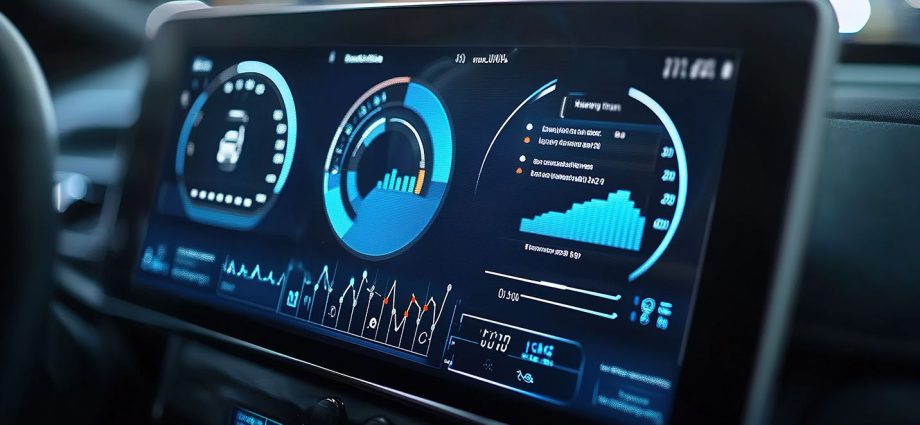
| Dashboards | Visual interface for fleet managers to see alerts. |
| Integration | Connecting data to your existing maintenance software (CMMS). |
The hardware is cheap now. You can get a decent telematics unit for a few hundred bucks. The real investment is in the software and the time it takes to learn how to use it.
Real-World Wins (and a Few Headaches)
I’ve spoken to fleet managers who swear by this stuff. One guy told me he saved a $20,000 engine replacement because his telematics system flagged a coolant sensor issue early. The sensor cost $80. The labor to replace it was minimal. That’s a win.
But it’s not all sunshine. Sometimes you get false alarms. A sensor might glitch and tell you the oil pressure is low when it’s fine. You send a truck to the shop, and the mechanic finds nothing. That’s frustrating. It’s the “boy who cried wolf” syndrome.
That said, as the algorithms get smarter, these false positives are becoming rarer. And honestly? A false alarm is better than a blown engine.
Data Overload: The Silent Killer
Here’s a trap many fall into: they install the tech, and suddenly they’re drowning in data. Speeding alerts, idling alerts, fault codes… it’s a firehose.
You have to filter. Don’t try to act on every single ping. Focus on the critical stuff first—the codes that lead to breakdowns. The rest? Use it for coaching drivers or optimizing routes later.
The Human Element
Technology is great, but it doesn’t fix trucks. People do. You still need a good shop, good techs, and a culture that respects maintenance. Telematics is just the tool that tells you where to point the wrench.
The ROI Question
Does it pay for itself? For aging fleets, usually yes. But the math depends on your situation.
If you’re running 50 trucks that are 10 years old, the cost of downtime is massive. A single breakdown can cost hundreds or thousands in lost revenue. If telematics prevents just one or two of those a year, you’re in the black.
Plus, there’s the safety angle. Older trucks with worn brakes or suspension are a liability. Telematics can monitor brake wear and stability control events. That’s not just about money; it’s about keeping your drivers alive.
Looking Ahead
The tech is only getting better. We’re moving toward AI that can diagnose a specific cylinder misfire based on audio patterns. We’re moving toward systems that automatically order parts when they detect a failure is imminent.
For now, the goal is simple: stop guessing. Stop hoping that old truck makes it to the next stop. Start listening to the data it’s already producing.
Your trucks are talking. Telematics helps you understand what they’re saying.