






And then there’s the psychological piece. For many people, a car still means freedom, status, a private sanctuary. A subscription feels… temporary. Will that emotional attachment fade over time? Maybe. But it won’t happen overnight.
What This Means for the Future of City Streets
Imagine a city where parking garages become housing. Where curb space is for bikes and buses, not idle sedans. Where you tap an app, a car appears, and you never think about oil changes again. That’s the promise of subscription-based car ownership — if it’s done right.
But “done right” means integration. Subscriptions should complement transit, not compete with it. They should be priced to discourage unnecessary trips. And they should prioritize electric vehicles charged on clean grids. Without those guardrails, we risk swapping one car-centric model for another, just with a sleeker app.
In the end, the impact on urban mobility hinges on choices — by companies, by cities, by us. Subscription car ownership isn’t a silver bullet. It’s a tool. And like any tool, its value depends on how thoughtfully we wield it. The road ahead is flexible, sure. But it’s not automatically greener or fairer. That part is up to us.
Owning a car used to be a milestone. You saved up, picked a color, maybe even named it. But somewhere between rising insurance premiums, parking nightmares, and the sheer hassle of maintenance, the shine wore off for a lot of city dwellers. Enter subscription-based car ownership — a model that’s quietly rewriting the rules of how we get around. Honestly, it’s less about “owning” and more about “accessing” a car when you need one, without the baggage that comes with a traditional lease or loan.
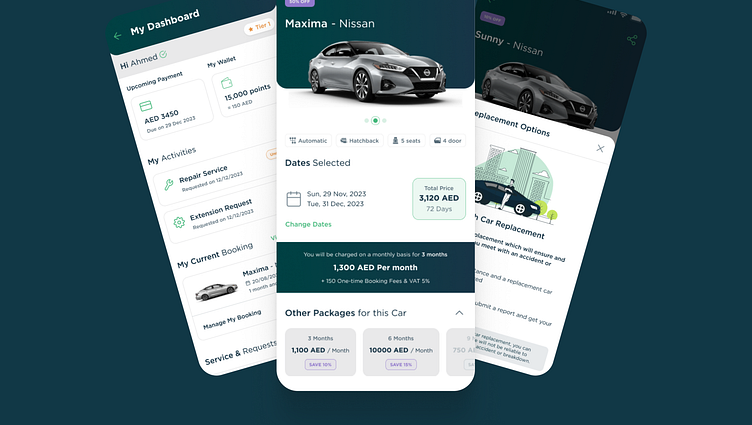
So what exactly is it? Think of it like a streaming service, but for vehicles. You pay a flat monthly fee that typically bundles the car, insurance, maintenance, and sometimes even roadside assistance. No down payment. No long-term commitment. Swap the sedan for an SUV for a weekend trip, then switch back. Sounds almost too convenient, right? Well, that convenience is precisely why this model is shaking up urban mobility in ways we’re only starting to understand.
The Rise of the “Car Subscription” Mindset
Let’s be clear: this isn’t just rebranded leasing. Traditional leases lock you in for two, three, maybe four years. Subscriptions? They’re flexible — monthly, sometimes even weekly. Companies like Care by Volvo, Porsche Drive, and a slew of startups have jumped in. And consumers, especially younger ones in dense cities, are biting.
Why? Because for many urbanites, a car isn’t a daily necessity. Maybe you take the subway to work, but need wheels for Costco runs or weekend escapes. Owning a car that sits idle 90% of the time feels… wasteful. In fact, studies suggest the average privately owned car is parked about 95% of its life. That’s a lot of metal and plastic doing absolutely nothing.
Subscription models flip that equation. You pay for access, not possession. And that subtle shift has big implications for city streets, parking garages, and even how we design neighborhoods.
How Subscriptions Change Urban Mobility Patterns
When you don’t own a car outright, your relationship with it becomes more… transactional. And that changes behavior. Here’s how:
- Fewer cars per household. A family might ditch their second car entirely, using a subscription for occasional needs. That reduces parking demand and traffic congestion.
- More multimodal trips. Since you’re not paying for a depreciating asset, you’re more likely to walk, bike, or take transit for short errands. The subscription car becomes a tool, not a crutch.
- Vehicle right-sizing. Need a pickup for moving day? Swap your compact for a truck. No need to own a gas-guzzler year-round.
- Reduced parking footprint. Shared subscription fleets can be parked in centralized hubs, freeing up street space for bike lanes, parks, or outdoor dining.
That said, it’s not all sunshine and roses. If subscriptions make car access too easy, they could actually pull people away from public transit. That’s a real tension city planners are watching closely. The goal, after all, isn’t just to replace ownership — it’s to reduce overall car dependence.
The Environmental Angle: Greener or Just Greener-Washed?
Here’s where things get nuanced. On one hand, subscription fleets tend to be newer, more fuel-efficient, and increasingly electric. Companies can retire older gas cars faster than individual owners might. That’s a win for air quality.
On the other hand, manufacturing new cars — even electric ones — has a carbon cost. If subscriptions encourage people to cycle through vehicles more frequently, we might see more production, not less. The net benefit depends on utilization rates. A shared subscription car driven 40 hours a week is far greener per mile than five private cars each driven 8 hours a week.
So, sure, the model has potential. But it’s not automatically sustainable. It needs smart fleet management, renewable charging, and integration with transit networks to truly move the needle.
Who’s Actually Using These Services?
Early adopters skew urban, affluent, and digitally native. Think millennials and Gen Z in cities like San Francisco, Berlin, or Singapore. They value flexibility over status. They’re comfortable with apps. And they’ve watched their parents deal with car loans and repair bills — and said, “No thanks.”
But there’s a growing segment of older users too. Empty nesters who no longer need two cars. Remote workers who drive less. Even small businesses that want a fleet without the headache of ownership. The appeal is broad, honestly. It’s not just a niche for tech bros.
Challenges and Roadblocks
Let’s not pretend this is a flawless utopia. Subscription car ownership faces real hurdles:
- Cost. Monthly fees can rival a lease payment. For lower-income households, it’s still out of reach.
- Availability. In smaller cities or suburbs, fleets are sparse. You might wait days for a car.
- Insurance and liability. Who’s responsible for a scratch? A crash? The fine print varies wildly.
- Regulatory gray areas. Cities aren’t sure how to tax or zone these services. Are they rentals? Taxis? Something new?
- Transit cannibalization. As mentioned, easy car access can undermine buses and trains.
And then there’s the psychological piece. For many people, a car still means freedom, status, a private sanctuary. A subscription feels… temporary. Will that emotional attachment fade over time? Maybe. But it won’t happen overnight.
What This Means for the Future of City Streets
Imagine a city where parking garages become housing. Where curb space is for bikes and buses, not idle sedans. Where you tap an app, a car appears, and you never think about oil changes again. That’s the promise of subscription-based car ownership — if it’s done right.
But “done right” means integration. Subscriptions should complement transit, not compete with it. They should be priced to discourage unnecessary trips. And they should prioritize electric vehicles charged on clean grids. Without those guardrails, we risk swapping one car-centric model for another, just with a sleeker app.
In the end, the impact on urban mobility hinges on choices — by companies, by cities, by us. Subscription car ownership isn’t a silver bullet. It’s a tool. And like any tool, its value depends on how thoughtfully we wield it. The road ahead is flexible, sure. But it’s not automatically greener or fairer. That part is up to us.