




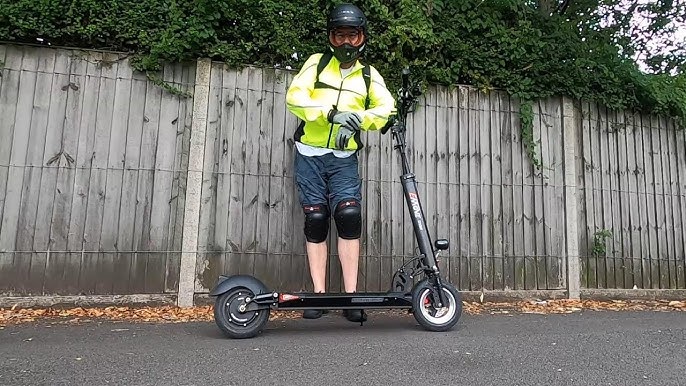
Let’s be honest — riding an electric scooter through city traffic feels a bit like being a mouse in a video game where everyone else drives tanks. You’re fast, nimble, and frankly, a little vulnerable. But here’s the deal: the gear you strap on has evolved way beyond the basic skateboard helmet your cousin left at your apartment in 2019. The latest urban scooter commuter safety gear innovations are smarter, lighter, and honestly, a little bit futuristic. And you don’t need to be a tech wizard to benefit from them.
We’re not just talking about padding anymore. We’re talking about airbags you wear like a collar, helmets with built-in turn signals, and jackets that light up like a Christmas tree when you brake. Sounds cool, right? But the real question is — what actually works, and what’s just gimmicky fluff? Let’s break it down, piece by piece, without the sales pitch.
The Helmet: Not Your Dad’s Bicycle Lid
The humble helmet has undergone a serious glow-up. Honestly, the days of bulky, sweaty shells are fading fast. The new wave focuses on two things: MIPS (Multi-directional Impact Protection System) and integrated electronics. MIPS is that slick yellow slip-plane inside the helmet that reduces rotational forces when you hit the pavement at an angle — which, let’s face it, is how most scooter falls happen. It’s not new, but it’s becoming standard, even in budget models.
But the real innovation? Smart helmets. Brands like Sena and Lumos now offer helmets with built-in bone-conduction speakers, microphones, and even LED taillights that sync with your brake lever. You can take a call from your boss without pulling over, and cars behind you actually see you slowing down. That’s not just convenience — that’s a survival feature in stop-and-go traffic.
Foldable & Commuter-Specific Designs
Another quiet revolution? Foldable helmets. You know, the ones that collapse flat so you can shove them into a backpack without looking like a turtle with a growth spurt. Models like the Overade or Closca use a clever hinge system that reduces volume by nearly 50%. Sure, they’re a bit pricier, but for the urban commuter who also has to walk into a meeting without a giant dome under their arm, it’s a game-changer. Just check the certification — make sure it meets EN1078 or CPSC standards, not just “looks cool.”
Airbag Wearables: From Motorcycles to Micromobility
Here’s where things get genuinely wild. You’ve probably seen motorcycle airbag vests from Dainese or Alpinestars. Well, they’ve trickled down to scooters. The Hövding 3 is the most famous example — it’s a collar you wear around your neck that deploys an airbag hood in 0.1 seconds when it detects abnormal movement. It’s like having an invisible guardian angel that inflates around your head and neck before you even hit the ground.
But let’s be real — it’s not for everyone. It costs around $500, and it needs charging. And if you get into a crash, you have to send it back to the factory for a new airbag cylinder. That said, for the daily rider who values head protection over everything, it’s arguably the safest option out there. The sensors are tuned for micromobility falls, not just motorcycle speeds, which is a subtle but crucial difference.
Jackets & Pants: Abrasion Resistance Meets Visibility
Let’s talk about the stuff you wear on your torso and legs. Traditional motorcycle gear is heavy, armored, and honestly, way too hot for summer commutes. The new generation of scooter-specific apparel uses ultra-high-molecular-weight polyethylene (try saying that three times fast) — think Kevlar’s lighter, more flexible cousin. You get abrasion resistance without looking like you’re about to race at the Isle of Man.
And then there’s the visibility factor. I’m not just talking about reflective strips — I’m talking about active lighting woven into the fabric. Brands like Lumo and VizEco make vests and jackets with LED arrays that project your turning signals. You press a button on your handlebar, and your jacket flashes left or right. It’s not just about being seen; it’s about being understood by drivers. That clarity is huge when you’re weaving between lanes.
Armor That Breathes (Finally)
Remember the old foam pads that felt like wearing a mattress? Yeah, those are gone. Now we have D3O — a smart material that’s flexible when you move but locks up on impact. It’s like the Terminator’s liquid metal, but for your elbows and knees. You can do your morning stretches in it, and the moment you slide, it hardens to absorb the shock. Most urban commuter jackets now have D3O inserts as standard, and they’re removable for washing. That’s a small thing, but it matters when you’re sweating through July.
Gloves: The Unsung Heroes
When you fall, your first instinct is to put your hands out. That’s why gloves aren’t just an accessory — they’re a necessity. But the innovations here are subtle. You’ve got gloves with silicone knuckle protectors that don’t restrict finger movement, and some with touchscreen-compatible fingertips that actually work (no more taking your glove off to check directions).
But the coolest new feature? Turn-signal gloves. Yes, they exist. Companies like Zackees make gloves with LED indicators on the back of the hand, controlled by a wireless remote on your thumb. You raise your left hand, and it blinks left. It’s a bit dorky, sure, but it’s also incredibly effective for making your intentions clear to drivers who might not see a tiny scooter indicator. Plus, they’re rechargeable via USB-C, which is a nice touch.
What About the Scooter Itself? (Gear, But Not Worn)
Okay, this isn’t technically “safety gear” you wear, but it’s part of the ecosystem. The latest scooters come with anti-lock braking systems (ABS) and traction control — features borrowed from cars. And while that’s great, there’s a new accessory that’s gaining traction: handlebar-mounted airbag systems. They’re still rare, but companies are testing small airbags that deploy from the stem to protect your chest in a frontal collision. It’s early days, but the concept is promising.
Also, don’t overlook the humble bell or horn. The new electronic horns are loud — like, car-horn loud — and they’re directional. That means you can alert a driver without scaring a pedestrian ten feet away. Small, but effective.
Visibility Beyond the Jacket: Lights and Reflectives
Let’s get one thing straight: you can never have too many lights. But the innovation here is in smart lighting. We’re seeing brake lights that activate via accelerometer — so when you slow down, the light on your backpack or helmet gets brighter automatically. No wiring, no manual switch. It’s a simple concept, but it’s a lifesaver in low-light conditions.
And then there’s projected light — some rear lights now project a laser “bubble” around your scooter on the ground, creating a visual buffer zone. It’s called Laserlight, and it’s genuinely effective at making drivers give you more space. It’s not a gimmick; it’s a psychological nudge that says, “Stay back.”
So, What Should You Actually Buy?
Here’s the deal — you don’t need everything. But if you’re prioritizing, start with this:
- Helmet with MIPS — non-negotiable. If you can afford a smart one, great. If not, a basic MIPS helmet is still a massive upgrade.
- Gloves with knuckle protection — your hands will thank you when you inevitably brace for a fall.
- A high-visibility vest or jacket with active lighting — being seen is half the battle.
- Knee and elbow pads with D3O — they’re lightweight enough to forget you’re wearing them.
That’s a solid foundation. Airbag vests and smart helmets are nice-to-haves, but they’re not essential for every commute. Start with the basics, then upgrade as you get more comfortable — and as your budget allows.
The Bottom Line on Safety Gear Innovations
The scooter safety gear landscape is changing fast. And honestly, it’s about time. We’ve moved from “wear a helmet and pray” to a world where your jacket can signal your turns, your helmet can call for help, and your gloves can light up like a runway. It’s not perfect — there’s still no gear that makes you invincible. But the gap between feeling exposed and feeling protected is closing, one innovation at a time.
So next time you zip through that intersection, remember — the gear you wear is your silent co-pilot. It’s not just about looking the part. It’s about riding another day, getting home, and doing it all over again tomorrow. That’s the real win.
And hey, if you’re still riding in a regular bike helmet and gym shorts… well, no judgment. But you’ve got options now. Better options. Why not take advantage of them?