






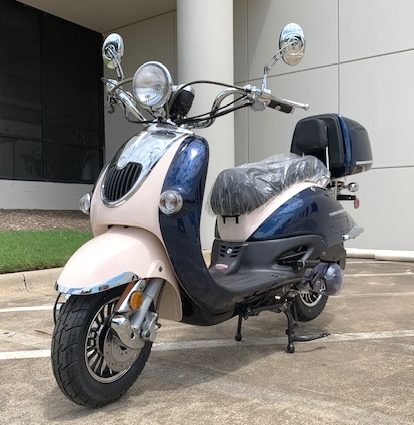
There’s something about a retro scooter that just hits different. Maybe it’s the curve of the fender, the gleam of chrome, or the way it makes you feel like you’ve stepped out of a 1960s Italian film. But here’s the thing—nostalgia alone won’t get you through rush hour traffic or up a steep hill. That’s where the modern tech upgrades come in. The retro scooter revival isn’t just about looking back; it’s about taking the best of vintage style and fusing it with today’s engineering. Honestly, it’s the best of both worlds.
Why Retro Scooters Are Making a Comeback
Let’s face it—scooters never really went away. But the current wave? It’s different. People are tired of cookie-cutter vehicles. They want personality. They want something that turns heads, not just something that gets them from A to B. And retro scooters deliver that in spades.
You see them everywhere now: in city centers, along coastal boardwalks, even parked outside trendy coffee shops. The appeal is obvious. They’re lightweight, easy to park, and—well—they’re just plain fun. But the real magic? It’s the marriage of old-school aesthetics with modern reliability. No more kick-starting a cold engine or worrying about points and condensers. You get the look without the headache.
The Allure of Vintage Design
Vintage design is timeless. Think about the classic Vespa or the iconic Lambretta. Those rounded lines, the two-tone paint jobs, the little details like a chrome headlight or a leather seat. They evoke a sense of freedom—a simpler time, you know? But here’s the kicker: modern manufacturers have caught on. Brands like Vespa, Genuine, and even some Chinese upstarts are producing models that look like they rolled out of a 1950s catalog. Except they’re built for 2025.
It’s not just about copying the past, though. It’s about reinterpreting it. A little bit of Art Deco here, a splash of mid-century modern there. The result? A scooter that feels both familiar and fresh. Like your grandpa’s old ride, but with a USB port.
Modern Tech Upgrades That Make a Difference
Okay, so the looks are great. But what about the guts? This is where the revival really shines. Modern retro scooters pack some serious tech under that vintage skin. Let’s break it down.
Fuel Injection vs. Carburetors
Remember the days of choking a carburetor and hoping for the best? Yeah, those are mostly gone. Fuel injection is now standard on most retro-style scooters. That means no more fiddling with idle screws or dealing with cold-start stumbles. You twist the throttle, and it just goes. It’s smoother, more efficient, and way less frustrating. For riders who want reliability, this is a game-changer.
LED Lighting and Digital Displays
Vintage headlights look cool, but they’re about as bright as a candle in a hurricane. Modern retro scooters often feature LED headlights and taillights that mimic the classic round shape. You get the same nostalgic glow—but with actual visibility at night. Some models even include a digital speedometer hidden inside an analog-style dial. It’s a subtle nod to the past with a wink to the future.
ABS and Traction Control
Let’s be real: stopping is just as important as going. Many retro scooters now come with anti-lock braking systems (ABS) and even traction control. This is huge for new riders or anyone navigating wet city streets. You get the confidence of modern safety without sacrificing the classic silhouette. It’s like having a guardian angel in a chrome helmet.
Key Models Leading the Revival
Not all retro scooters are created equal. Some lean hard into nostalgia, others blend it with futuristic features. Here’s a quick look at a few standouts.
| Model | Vintage Vibe | Modern Tech |
|---|---|---|
| Vespa Primavera 150 | Classic Italian lines, pastel colors | Fuel injection, ABS, LED lights |
| Genuine Buddy 170i | Retro-modern with a hint of 60s flair | Fuel injection, digital dash, disc brakes |
| Lambretta V-Special | Iconic Lambretta silhouette | Electronic fuel injection, USB port, ABS |
| Super Soco CUx | Minimalist retro-futuristic | Electric motor, removable battery, app connectivity |
Notice the electric option there? That’s another layer of the revival. Electric retro scooters are gaining traction—literally. They’re quiet, zero-emission, and still manage to look like they belong in a Wes Anderson movie. The Super Soco CUx, for instance, has a round headlight and a step-through frame that screams vintage, but it runs on a lithium battery. Wild, right?
What to Look for When Buying a Retro Scooter
Thinking about jumping on the bandwagon? Here’s the deal: you want the look, but you don’t want the headaches. So keep these things in mind.
- Engine size: 50cc is fine for puttering around town, but 125cc to 150cc gives you enough power for hills and highways.
- Braking system: ABS is a must if you ride in rain or traffic. Trust me.
- Storage: A retro scooter should have under-seat storage for a helmet or groceries. Don’t compromise.
- Serviceability: Some vintage-inspired models use obscure parts. Stick with brands that have dealer networks.
- Tech extras: USB charging, smartphone connectivity, or even a digital speedo can make daily life easier.
Oh, and one more thing—don’t overlook the weight. Retro scooters can be heavier than they look. A Vespa GTS 300, for example, tips the scales at over 300 pounds. That’s fine for a garage, but a pain if you need to carry it up stairs. Just sayin’.
The Culture and Community Behind the Revival
This revival isn’t just about machines—it’s about people. Scooter clubs are popping up again, from London to Los Angeles. There’s a camaraderie that comes with owning something a little different. You wave at other riders. You swap stories about your first ride. It’s a shared appreciation for style and simplicity.
And the mod scene? It’s alive and well. Custom paint jobs, aftermarket parts, even vintage-inspired helmets and jackets. The whole aesthetic is part of the experience. You don’t just ride a retro scooter; you live it. It’s a lifestyle choice that says, “I value craftsmanship and individuality.”
Pain Points: What’s Not Perfect
Let’s be honest—it’s not all sunshine and chrome. Some retro scooters still have small fuel tanks (like 1.5 gallons), which means frequent stops at the pump. And the suspension? It can be stiff, especially on cheaper models. Also, parts for certain vintage-inspired brands might be hard to find if you’re in a rural area. But for most city dwellers, these are minor trade-offs for the joy of riding something beautiful.
Maintenance Tips for Your Retro Ride
You want your scooter to last, right? Here’s the thing—modern tech makes maintenance easier, but it’s not zero. Fuel-injected engines need less tinkering, but they still require regular oil changes and valve checks. Tires wear out. Brake pads need replacing. And that vintage paint job? Keep it clean and waxed, or it’ll fade faster than a cheap tattoo.
One pro tip: invest in a good cover if you park outside. UV rays and rain can dull those retro colors. Also, check your battery terminals—modern electronics can drain a battery if you let it sit for weeks. A trickle charger is a cheap insurance policy.
The Future of Retro Scooters
Where is this all heading? Well, expect more electric models with retro styling. The technology is getting cheaper and more efficient. We’re already seeing concepts with swappable batteries, integrated GPS, and even self-balancing features. But the soul? That’s staying put. The curves, the chrome, the feeling of wind in your hair—those aren’t going anywhere.
In fact, some manufacturers are experimenting with hybrid designs: a small gas engine for range, paired with an electric motor for city cruising. Imagine a 1960s-style scooter that gets 100 miles per gallon and can run silently through a park. That’s not sci-fi. That’s next year.
Final Thoughts: Why This Revival Matters
Here’s the bottom line: the retro scooter revival is more than a trend. It’s a response to a world that moves too fast. These scooters remind us to slow down, enjoy the ride, and appreciate design that has stood the test of time. And with modern tech upgrades, you don’t have to sacrifice performance for style. You get both.
So whether you’re a seasoned rider or a curious newbie, there’s never been a better time to hop on a retro scooter. Find one that speaks to you—maybe a Vespa in pastel blue, or a rugged Genuine Buddy. Take it for a spin. Feel the wind. And smile, because you’re part of something that’s both old and new, all at once.